
Herschel 400 catalogue: 167 imaging targets
William Herschel, helped by his sister Caroline, recorded about 2,500 nebulae and star clusters in lists published between 1786 and 1802. Members of the Ancient City Astronomy Club in Florida later chose 400 of them as the next challenge after the Messier objects. The planner includes 167 of them; most are galaxies and clusters that are smaller and fainter than the Messier objects, so many need a longer focal length.
Further reading: Astronomical League: Herschel 400 Observing Program
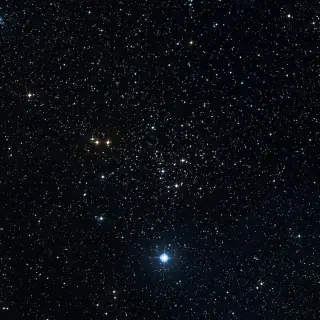
NGC 129
An open cluster in Cassiopeia, roughly 5,300 to 5,450 light-years away and about 77 million years old.
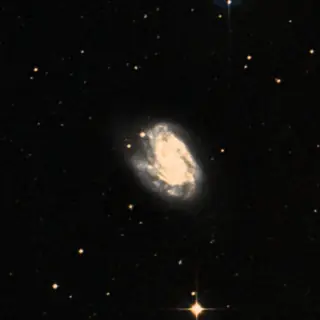
NGC 157
In Cetus, NGC 157 is a spiral galaxy with a faint bar, tilted about 62° to our line of sight and roughly 90,000 light-years across. Distance estimates run from about 39 to 77 million light-years.
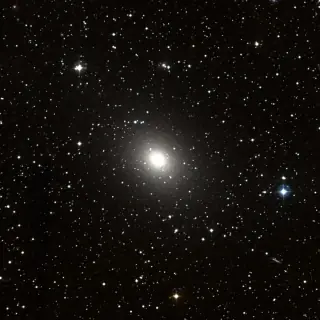
NGC 185
NGC 185, a small dwarf galaxy in Cassiopeia, about 2.1 million light-years away.
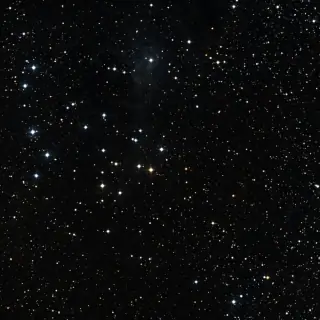
NGC 225
The Sailboat Cluster, a young open cluster in Cassiopeia about 2,200 light-years away and also listed as Collinder 7.
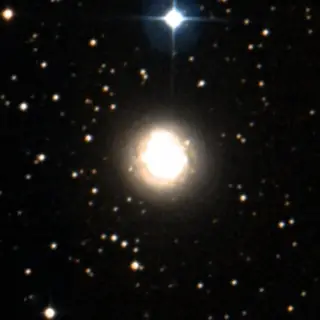
NGC 278
A weakly barred spiral galaxy in Cassiopeia, about 38 to 40 million light-years away and only 2′ across.
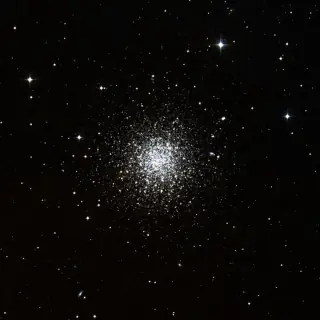
NGC 288
A loosely packed globular cluster in Sculptor, about 28,000 to 29,000 light-years away in the Milky Way's halo. A dense core roughly 3′ wide sits inside a fainter, irregular ring about 9′ across.
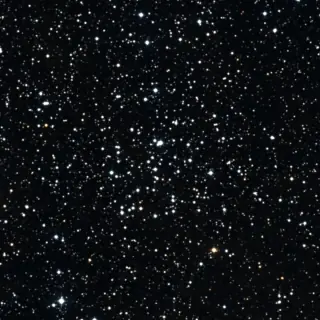
NGC 381
An open cluster in Cassiopeia, roughly 3,100 to 3,500 light-years away depending on the source, with around 350 probable members counted down to magnitude 20.
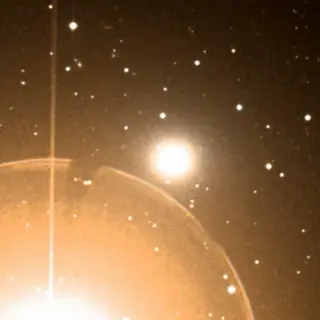
NGC 404
A small lenticular dwarf galaxy in Andromeda, about 10 million light-years away, nicknamed Mirach's Ghost because it lies about 7′ from the bright star Mirach.
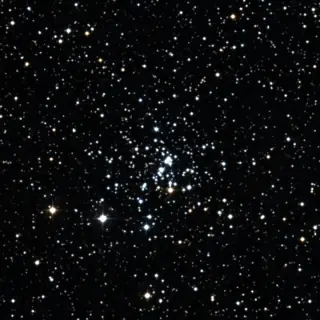
NGC 436
A small open cluster in Cassiopeia, about 9,800 light-years away and estimated at 85 million years old, listed in the Herschel 400 and also as Collinder 11. William Herschel found it in 1787.
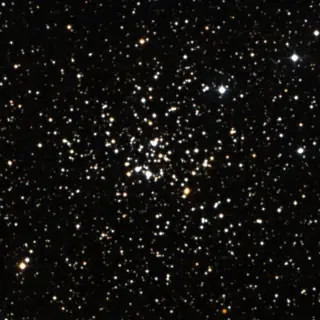
NGC 559
An old open cluster in Cassiopeia holding roughly 150 stars, found by William Herschel in 1787. Distance estimates differ: about 4,100 light-years in one study and 7,200 in another.
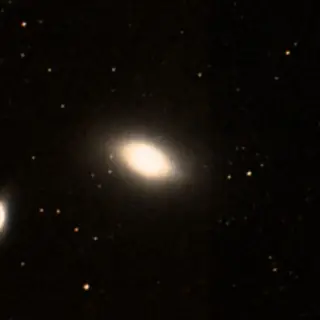
NGC 584
An E4 elliptical galaxy in Cetus, around 60 million light-years away, in the NGC 584 group. William Herschel found it in 1785.
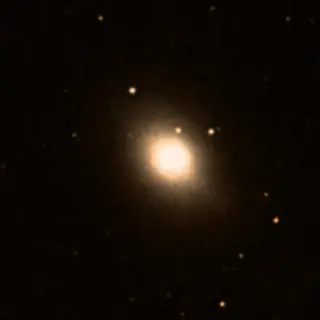
NGC 596
An elliptical galaxy in Cetus, about 65 million light-years away, thought to be a merger remnant with a faint outer envelope.
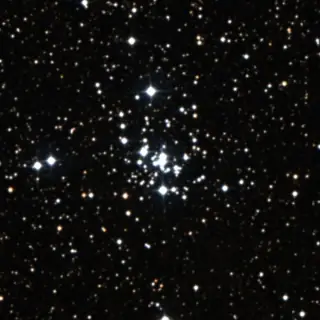
NGC 637
A compact, young open cluster in Cassiopeia, about 7,000 light-years away in the Perseus Arm and roughly 10 million years old.
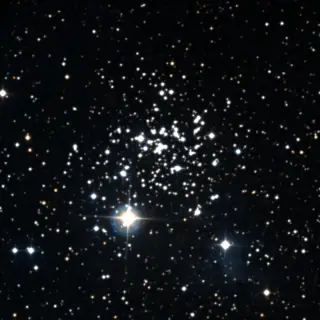
NGC 654
A young open cluster in Cassiopeia nicknamed the Fuzzy Butterfly, about 7,830 light-years away and an estimated 14 to 15 million years old.
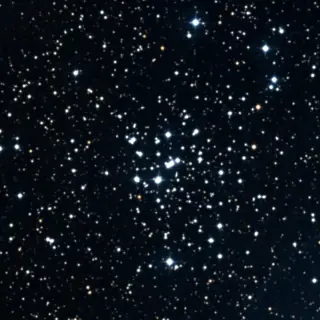
NGC 659
This Cassiopeia open cluster, nicknamed Yin-Yang, lies about 8,200 light-years away and is estimated at 20 million years old. Caroline Herschel found it in 1783.
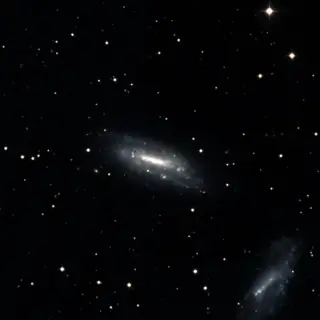
NGC 672
A barred spiral galaxy in Triangulum, about 23 million light-years away, gas-rich and forming roughly 0.3 solar masses of stars a year.
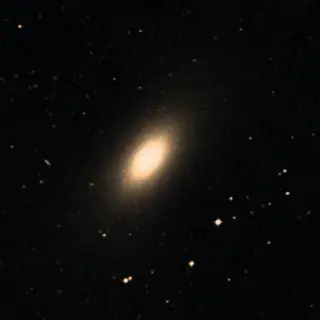
NGC 720
An elliptical galaxy in Cetus, distant by roughly 80 million light-years, with a span near 110,000 light-years. It is the dominant member of the NGC 720 group.
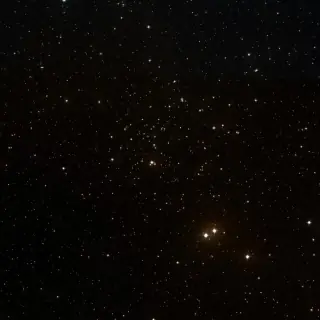
NGC 752
NGC 752, a loose open cluster in Andromeda about 1,400 light-years away and roughly 1.3 billion years old, old for an open cluster.
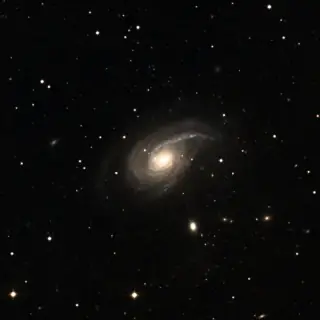
NGC 772
In Aries, 106 million light-years off, this big unbarred spiral spans near 200,000 light-years, a little more than the Milky Way.
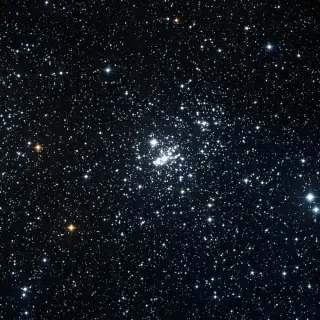
NGC 869 — h Per
h Persei is the western half of Perseus's Double Cluster, lying near 7,460 light-years out and roughly 14 million years old. It is brighter than its partner at magnitude 5.3.
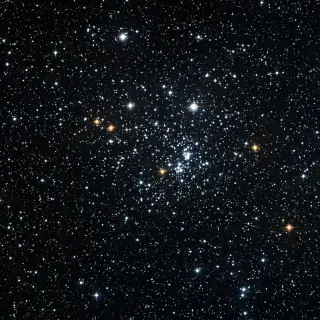
NGC 884 — Chi Per
Chi Persei is the eastern half of Perseus's Double Cluster, lying near 7,640 light-years out and roughly 14 million years old. At magnitude 6.1 it is a little fainter than h Persei.
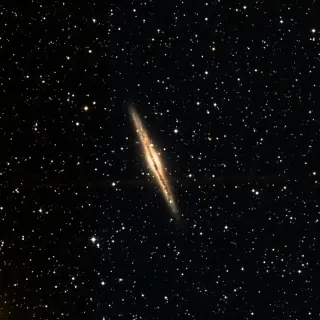
NGC 891 — Outer Limits Galaxy
The Outer Limits Galaxy, named after a TV series' end credits: an edge-on spiral galaxy in Andromeda, about 27 million light-years away and roughly 130,000 light-years across.
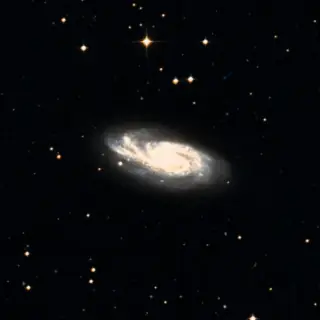
NGC 908
A starburst spiral galaxy in Cetus, lying near 56 million light-years out (other sources say up to 65 million) with a length of roughly 75,000 light-years.
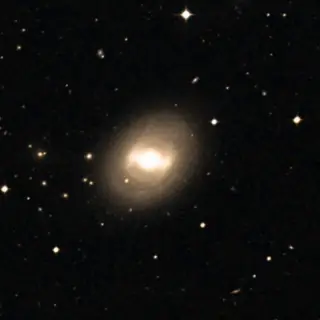
NGC 936
In Cetus, NGC 936 is a lenticular galaxy with a bar, placed at 50 to 60 million light-years by different sources. It is on the Herschel 400 list.
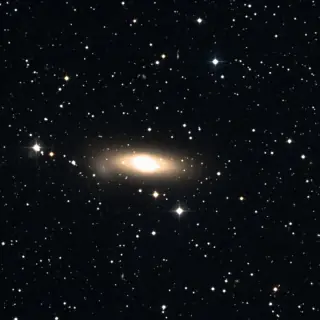
NGC 1023
In Perseus, NGC 1023 is a lenticular galaxy with a bar, roughly 30 to 36 million light-years distant. It is on the Herschel 400 list.
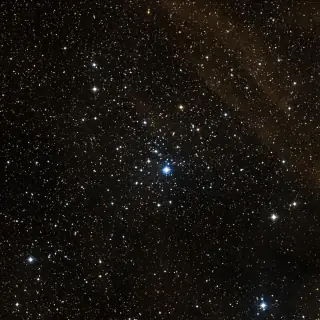
NGC 1027
A thin scattering of stars in Cassiopeia, put at 2,500 to 3,000 light-years by different sources, on the Herschel 400 list.
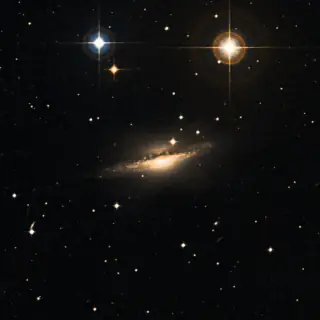
NGC 1055
Seen edge-on in Cetus, NGC 1055 lies somewhere between 52 and 60 million light-years off and is on the Herschel 400 list. Its bright bulge is cut by a broad dust lane with a knotty texture.
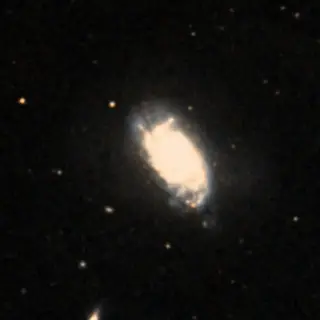
NGC 1084
An unbarred spiral in Eridanus, about 63 to 70 million light-years away, on the Herschel 400 list. Five supernovae have been seen in it since 1963.
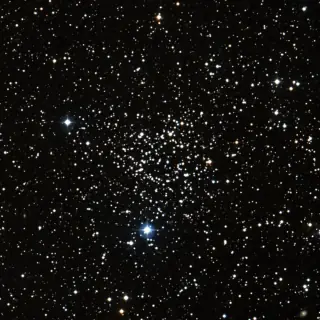
NGC 1245
NGC 1245 is an old, rich open cluster in Perseus, roughly 9,400–10,400 light-years away depending on the source. Its 10′ apparent size works out to about 27 light-years across.
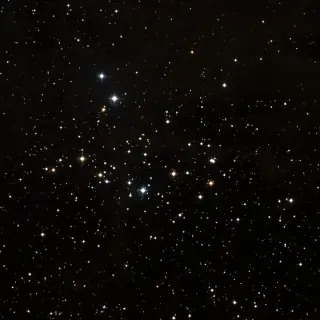
NGC 1342
In Perseus, about 2,200 light-years off, NGC 1342 is a scattered group of stars aged near 400–450 million years. Sources give its width as anywhere from 17′ to 35′.
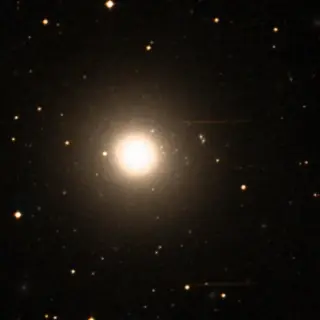
NGC 1407
A round elliptical galaxy in Eridanus, about 76 million light-years away and the brightest member of its galaxy group. Its core is old and holds a black hole estimated at over a billion solar masses.
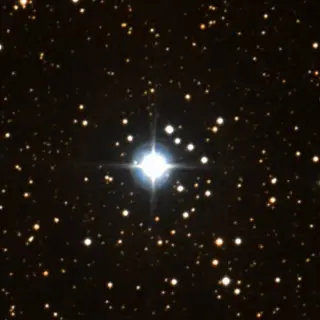
NGC 1444
Lying in Perseus around 4,000 light-years off, NGC 1444 is a compact cluster only about 7 million years old. It belongs to the Camelopardalis OB1 association.
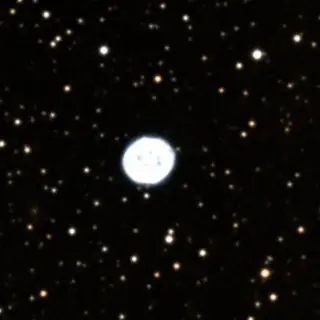
NGC 1501
Camelopardalis holds NGC 1501, the Oyster or Camel's Eye Nebula, a planetary nebula some 3,800–4,200 light-years away whose shell spans a little under 1′.
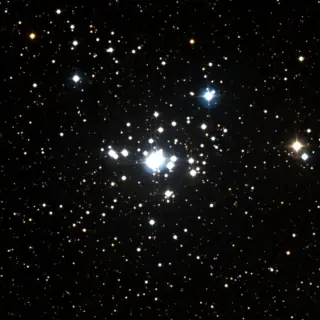
NGC 1502 — Kemble's Cascade Cluster
William Herschel found NGC 1502, the Golden Harp Cluster, in 1787. Around 60 stars make up this young group in Camelopardalis, which sources place 2,700–3,600 light-years away.
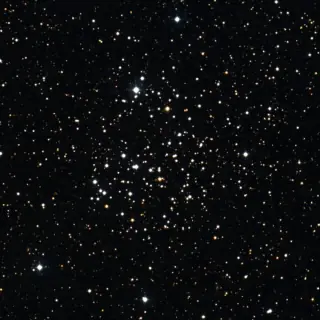
NGC 1513
An open cluster in Perseus, discovered by William Herschel in 1790, about 4,800 light-years away.
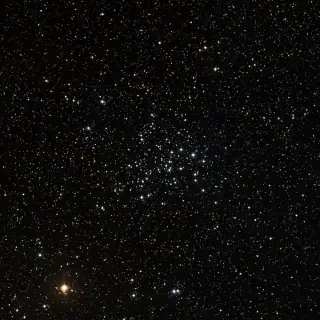
NGC 1528
A rich open cluster in Perseus, found by William Herschel in 1790 and also listed as Collinder 47. Sources put it between 2,500 and 3,100 light-years away.
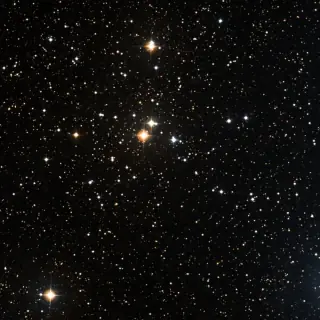
NGC 1545
An open cluster in Perseus, found by William Herschel in 1790 and also listed as Collinder 49. It is about 2,300 light-years away and roughly 280 million years old.
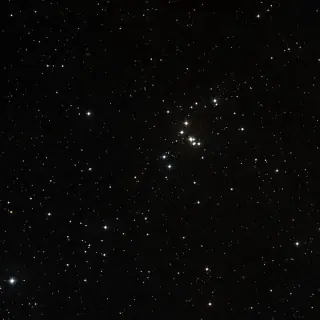
NGC 1662
An open cluster in Orion with a loose, weakly bound structure, about 1,400 light-years from us, discovered by William Herschel in 1784 and also listed as Collinder 55.
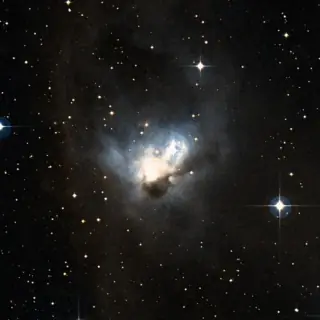
NGC 1788
Orion holds this reflection nebula, about 1,300 light-years away. Along its southwest side lies LDN 1616, a dark cloud, where the nebula ends fairly abruptly.
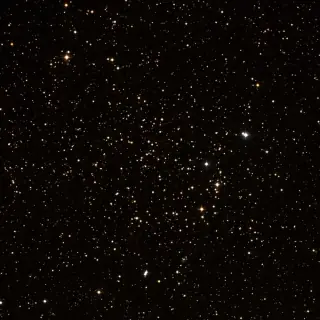
NGC 1817
Roughly a billion years old and about 6,400 light-years away in Taurus, this open cluster holds no fewer than 169 stars that share a common motion.
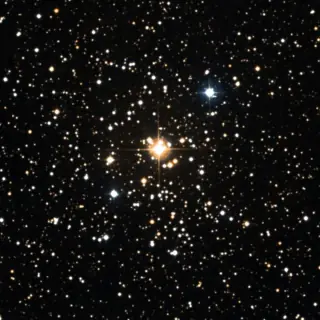
NGC 1857
A compact open cluster in Auriga, about 9,000 light-years away and around 257 million years old, with roughly 360 member stars. William Herschel found it in 1780.
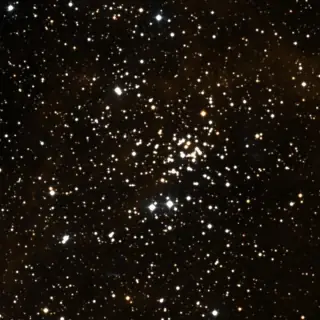
NGC 1907
A small open cluster in Auriga with about 300 stars, roughly 5,200 light-years away and about 500 million years old.
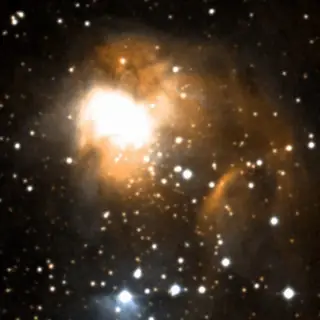
NGC 1931
The Fly Nebula lies in Auriga, roughly 7,500 light-years away. Gas and dust there glow both by emission and by reflecting starlight, around a cluster only 2 million years old.
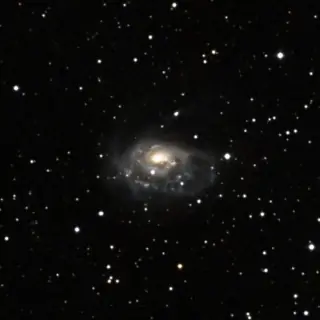
NGC 1961
A distorted spiral galaxy in Camelopardalis, roughly 145 to 190 million light-years away depending on the method. Arp listed it as Arp 184 among galaxies with narrow filaments.
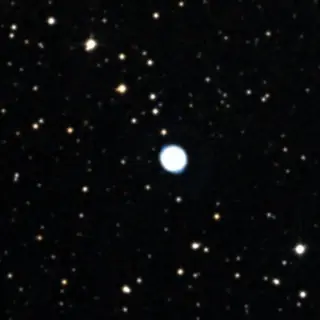
NGC 2022
NGC 2022 is a planetary nebula in Orion with a layered shell: a bright inner shell about 18″ across, a fainter shell near 40″, and a halo near 88″ that was reported in 2023.
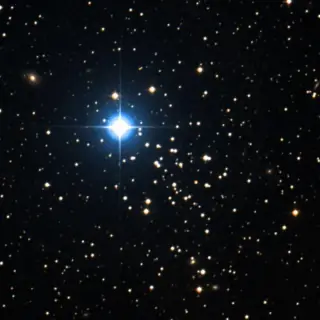
NGC 2126
NGC 2126 is a small open cluster in Auriga, roughly 4,100 light-years away and about 1.3–1.6 billion years old.
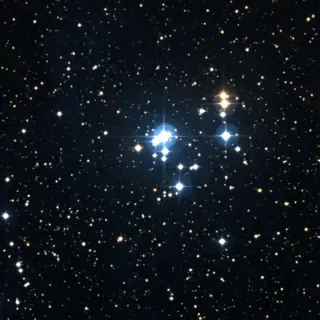
NGC 2169 — 37 Cluster
NGC 2169, the 37 Cluster, is a compact group of stars in Orion some 3,600 light-years from us. Its brightest stars trace the digits 3 and 7.
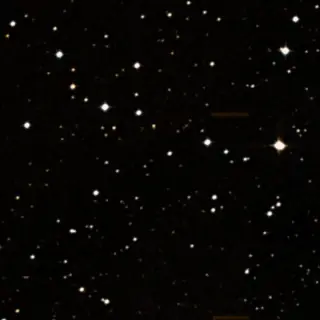
NGC 2185
NGC 2185 is a reflection nebula in Monoceros, in an area where Herbig-Haro objects and young stellar objects are common. Distance estimates for the group run from 2,300 to 2,700 light-years.
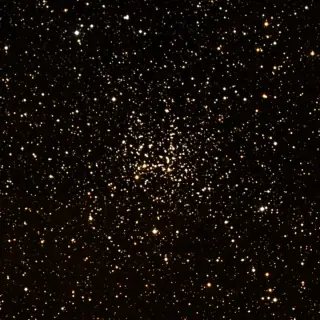
NGC 2194
Found in Orion, the cluster NGC 2194 spans about 9′ and lies 33′ from 73 Orionis, toward the west-northwest.
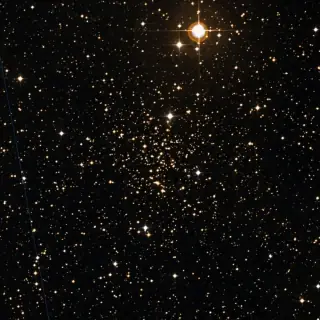
NGC 2204
Canis Major holds this old open cluster, about 13,400 light-years away and roughly 2 billion years old.
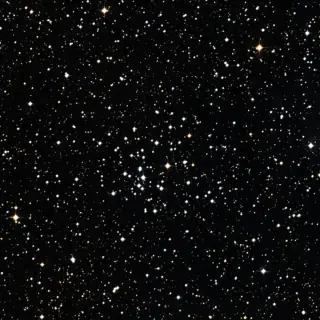
NGC 2215
A modest open cluster in Monoceros, about 2,600 light-years away by a 2015 photometric study, which put its age near 700 million years and found it metal-poor compared with the Sun.
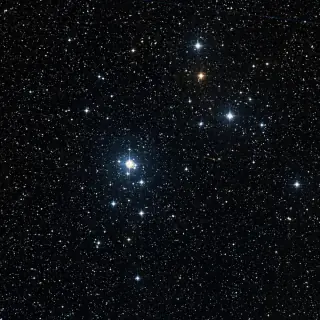
NGC 2232
A sparse, young open cluster in Monoceros, about 1,060 light-years away and around 31 million years old. At magnitude 3.9 it is a naked-eye object.
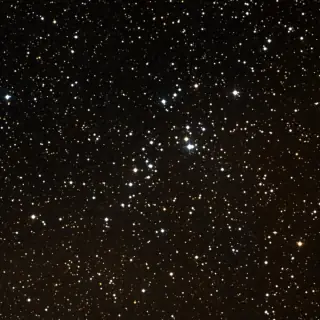
NGC 2251
A large, scattered open cluster in Monoceros, listed about 4,300 light-years away. William Herschel found it on 26 December 1783 describing a stretched-out group of big, spread-out stars.
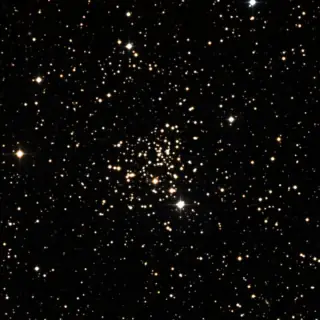
NGC 2266
A compact open cluster in Gemini, also Melotte 50, about 9,100 light-years away and around 1.2 billion years old. Its membership tops 190 stars, mostly main-sequence, and 11 of them are red giants.
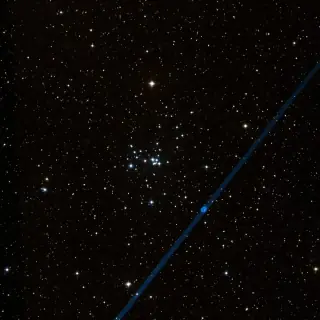
NGC 2281
The Broken Heart Cluster, an open cluster in Auriga about 1,720 light-years away. Sources give its age as roughly 630 to 660 million years and its width as about 25′.
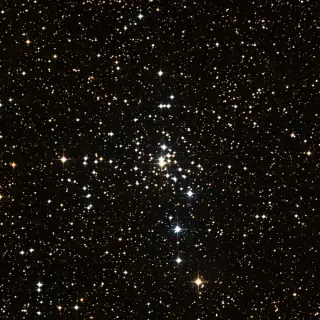
NGC 2301
An open cluster in Monoceros, about 2,840 light-years away and around 165 million years old.
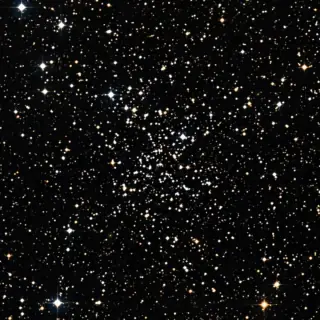
NGC 2324
A faint, distant open cluster in Monoceros, listed at 12,400 to 13,600 light-years depending on the source. William Herschel found it in 1786, and it sits farther out than the Perseus arm.
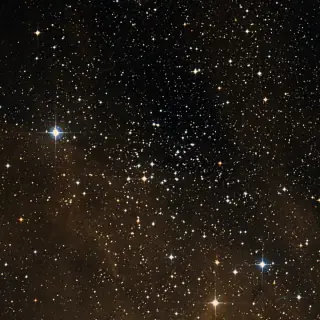
NGC 2335
About 4,600 light-years away in Monoceros, this open cluster marks the north end of a line of clusters that runs along the Seagull Nebula (IC 2177).
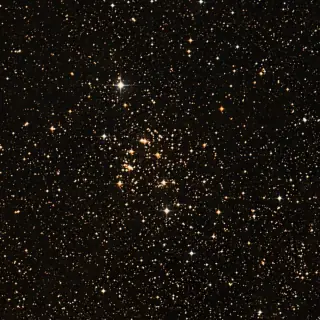
NGC 2345
In Canis Major, a young cluster that one imager's page puts at about 8,000 light-years. Its stars include seven supergiants, both blue and red, and it has low metal content.
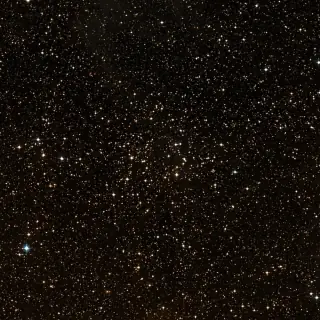
NGC 2354
A loose, scattered open cluster in Canis Major, listed in the Herschel 400 and also known as Collinder 131. Published distances differ widely, from about 4,300 to 12,400 light-years.
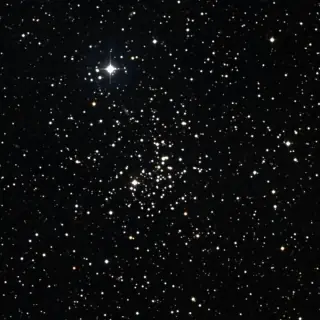
NGC 2355
A compact open cluster in Gemini, listed in the Herschel 400 and also catalogued as Collinder 133.
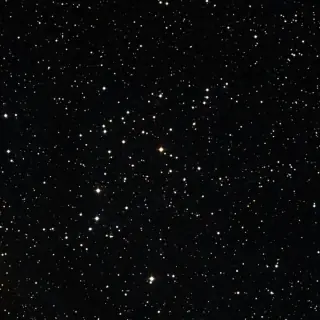
NGC 2395
A small, loose open cluster in Gemini, listed in the Herschel 400, with about 30 stars counted and its brightest near magnitude 10. A distance of roughly 1,700 light-years has been estimated for it.
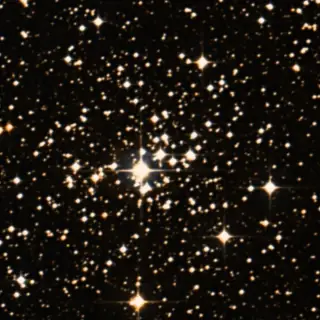
NGC 2414
HD 60308, a magnitude 8 star, marks the middle of this sparse Puppis cluster, with its faint members strung in arcs around it; fewer than two dozen stand out from the background.
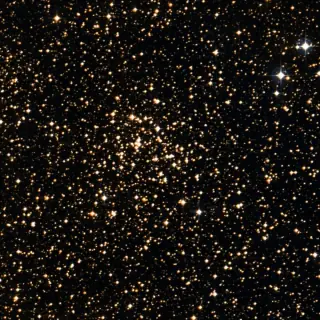
NGC 2421
A rich open cluster in Puppis, listed in the Herschel 400.
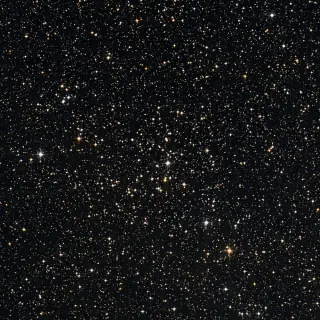
NGC 2423
NGC 2423 is a loose open cluster in Puppis with 50 to 60 stars, about 2,500 light-years away. William Herschel found it in 1786.
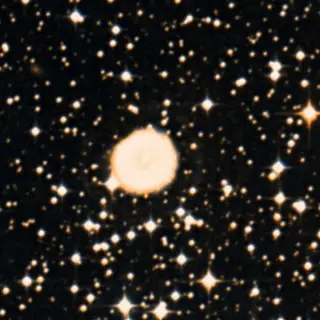
NGC 2438 — M46 Planetary
In Puppis, NGC 2438 is a double shell of gas shed by a dying star (a planetary nebula), whose bright 60″ core sits inside a fainter halo near 130″. Gaia puts it about 1,370 light-years away.
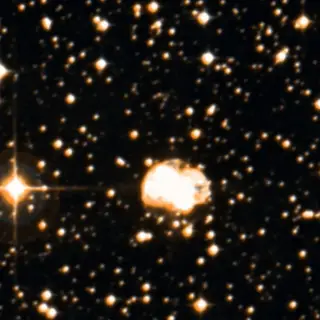
NGC 2440 — Insect Nebula
Puppis holds this planetary nebula, roughly 74″ × 42″ across and lying some 4,000 light-years off. Its central star, near 200,000 K, may be one of the hottest white dwarfs known.
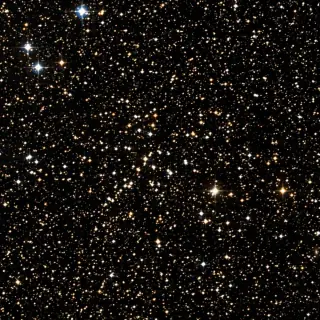
NGC 2482
Puppis is home to NGC 2482, an open cluster about 4,380 light-years away by one source, and roughly 400 million years old. William Herschel recorded it in 1784.
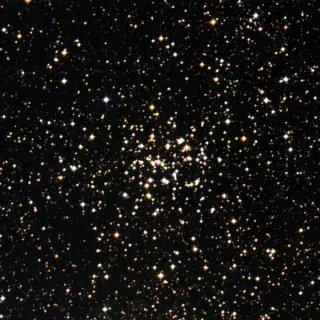
NGC 2489
NGC 2489 is a compact open cluster in Puppis; sources disagree on its distance, giving 4,400 to 12,100 light-years. A survey confirmed six red giants as members.
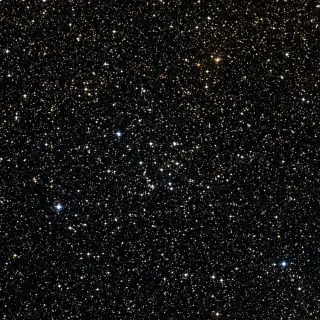
NGC 2527
A sparse open cluster in Puppis, about 1,960 light-years away, with an estimated mass near 740 Suns. Its brightest stars are A-type, and a white dwarf has been found among its members.
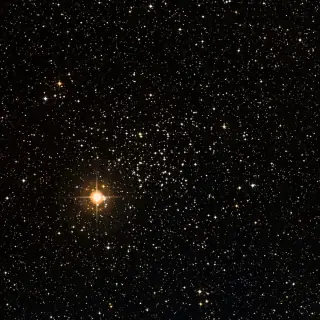
NGC 2539
A moderately rich open cluster near the northern edge of Puppis, about 4,440 light-years away and roughly 24 light-years across.
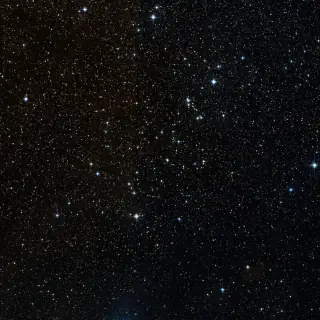
NGC 2546
Two overlapping open clusters in Puppis rather than one.
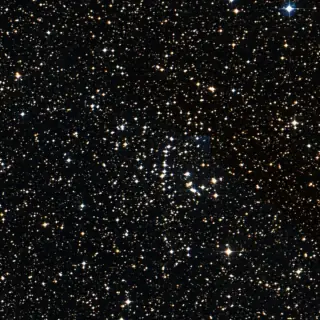
NGC 2567
A sparse open cluster in Puppis, about 5,470 light-years away, with an estimated 81 to 96 stars. It is around 500 million years old and has a metal content close to the Sun's.
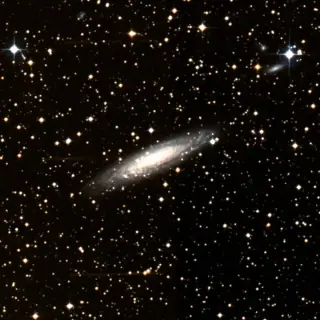
NGC 2613
A spiral galaxy in Pyxis seen almost edge-on, about 78 million light-years away and some 194,000 light-years across.
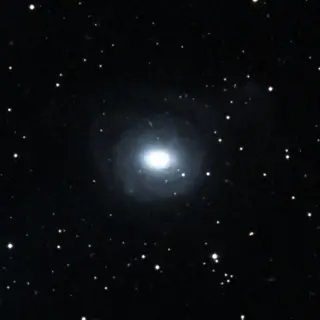
NGC 2655
A lenticular galaxy in Camelopardalis with a Seyfert nucleus, the brightest member of a small group that includes NGC 2715, NGC 2591 and NGC 2748.
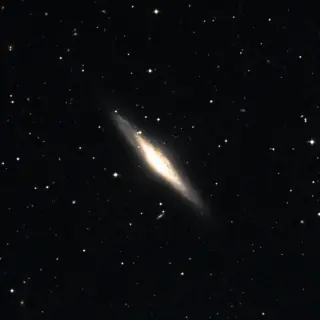
NGC 2683 — UFO Galaxy
An edge-on spiral in Lynx, nicknamed the UFO Galaxy, at a distance near 30 million light-years and roughly 122,000 light-years across.
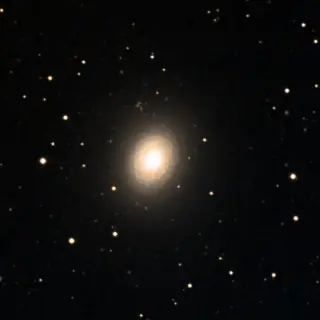
NGC 2775
A ring-bearing spiral galaxy in Cancer, about 67 million light-years away and some 79,000 light-years across.
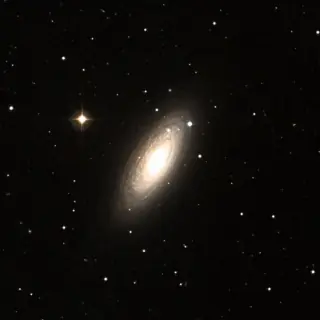
NGC 2841 — Tiger's Eye Galaxy
A tightly wound, unbarred spiral in Ursa Major, the prototype of the flocculent class, with patchy, broken arms. It lies about 46 million light-years away and spans roughly 150,000 light-years.
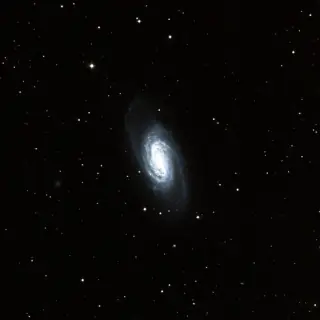
NGC 2903
A barred spiral in Leo, about 30 million light-years away and around 100,000 light-years across. William Herschel logged it in 1784 as a double nebula, and Lord Rosse later resolved its spiral form.
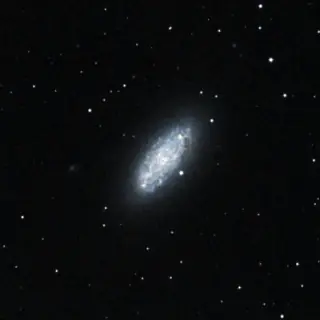
NGC 2976
A small dwarf galaxy on the edge of the M81 group in Ursa Major, roughly 12 million light-years distant and 1°20′ from M81. Hubble images show no obvious spiral arms.
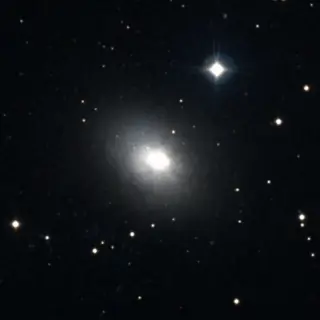
NGC 3077
Part of the M81 Group in Ursa Major, about 13 million light-years away, NGC 3077 is a compact galaxy whose edges look ragged and dusty.
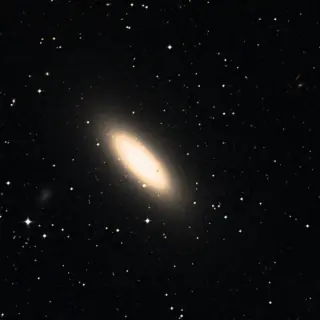
NGC 3115 — Spindle
A lenticular galaxy in Sextans about 32 million light-years away, seen almost exactly edge-on. William Herschel found it in 1787, and it was once classed as an elliptical.
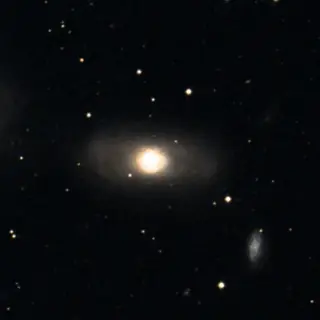
NGC 3166
In Sextans, this barred lenticular galaxy lies roughly 65 million light-years off and shows a bright elongated nucleus and dust lanes. A hydrogen tidal tail ties it to its partner NGC 3169.
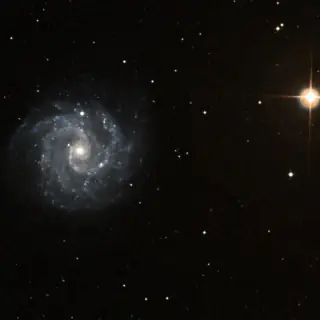
NGC 3184
Ursa Major's Little Pinwheel is a spiral galaxy tipped close to face-on, about 40 million light-years distant, and takes its name from M101's look-alike spiral pattern.
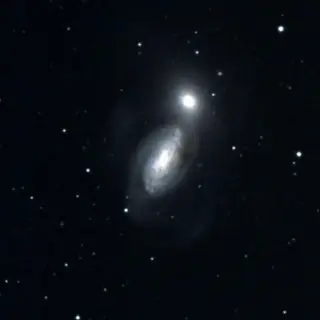
NGC 3227
A spiral galaxy in Leo about 77 million light-years away, with an active Seyfert nucleus. It interacts with the dwarf elliptical NGC 3226, and the pair is Arp 94.
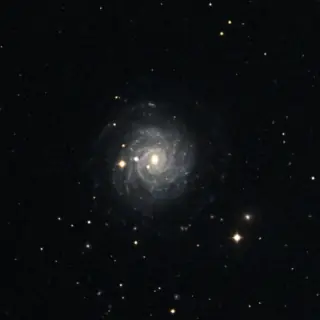
NGC 3344
Seen face-on in Leo Minor, this barred spiral lies about 22.5 million light-years away. It has an inner ring and an outer pseudo-ring, and sits in relative isolation.
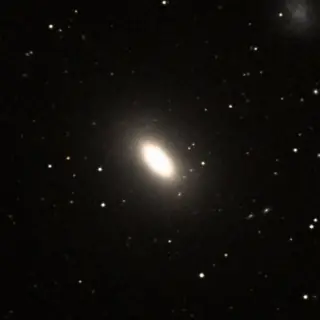
NGC 3377
An elongated elliptical galaxy in Leo, roughly 37 million light-years away and a member of the galaxy group around M96 (Leo I).
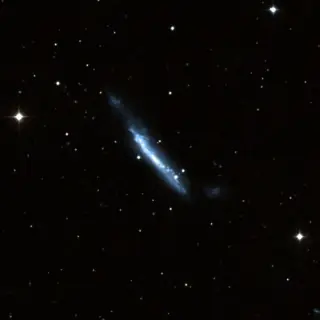
NGC 3432
Seen almost exactly edge-on, this spiral in Leo Minor lies about 40 million light-years away. A nearby dwarf, UGC 5983, is distorting it and driving star formation; Halton Arp listed it as Arp 206.
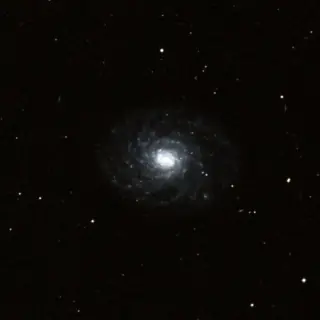
NGC 3486
A weakly barred spiral galaxy in Leo Minor, about 27 million light-years away, with a borderline Seyfert nucleus. William Herschel found it in 1785, and it is in the Herschel 400.
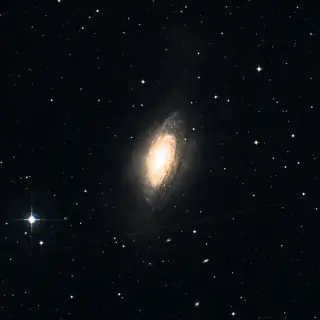
NGC 3521
A flocculent spiral galaxy in Leo, nicknamed the Bubble Galaxy, about 35 to 37 million light-years away. Faint shells around it are likely stellar debris from small galaxies it absorbed.
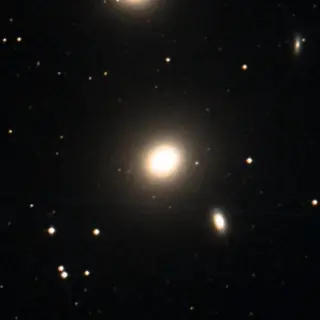
NGC 3607
A lenticular galaxy in Leo about 73 million light-years away, the centre of the Leo II group. It has a dusty outer disk and a second disk tilted across it, and hot X-ray gas surrounds it.
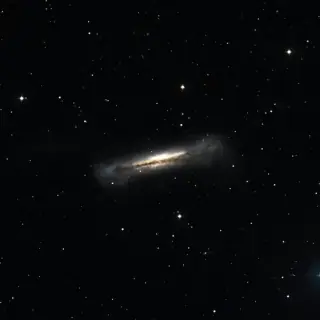
NGC 3628 — Hamburger Galaxy
An edge-on spiral galaxy in Leo, about 35 million light-years away, and the third member of the Leo Triplet alongside M65 and M66.
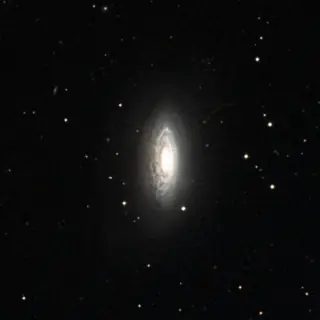
NGC 3675
A spiral galaxy in Ursa Major, about 50 million light-years away and roughly 100,000 light-years across, the largest member of its home group, the southern part of the Ursa Major clustering.
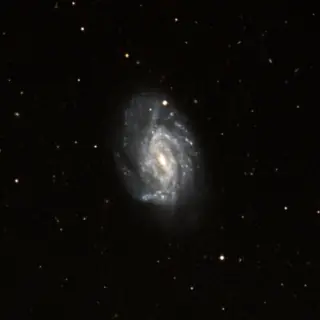
NGC 3726
A barred spiral galaxy in Ursa Major, with distance estimates between about 45 and 55 million light-years and a diameter near 85,000 light-years.
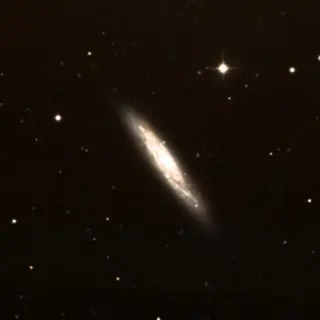
NGC 3877
A type Sc spiral set in Ursa Major, long and narrow at 5.3′ × 1.2′, with distance estimates from about 38 to 50 million light-years.
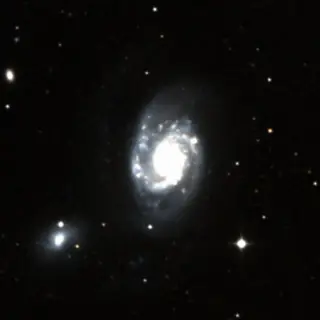
NGC 3893
A face-on spiral galaxy in Ursa Major, about 50 million light-years away and some 70,000 light-years across.
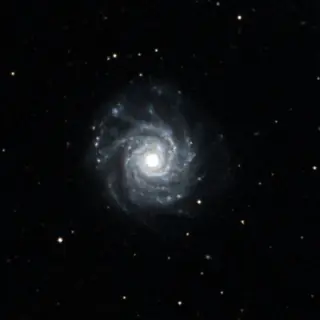
NGC 3938
A spiral galaxy in Ursa Major seen face-on, about 41 million light-years away. Five supernovae have been found in it between 1961 and 2022.
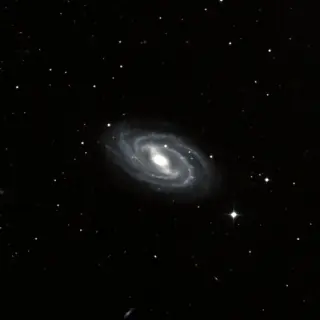
NGC 3992
A barred spiral galaxy in Ursa Major, about 67 million light-years away, and the most distant object in the Messier catalogue.
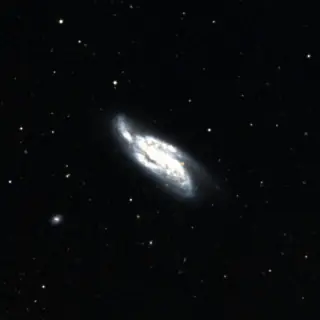
NGC 4088
Sharply defined arms mark this barred spiral in Ursa Major, about 51 million light-years away. Halton Arp listed it as Arp 18 because one arm looks as if a piece has come loose.
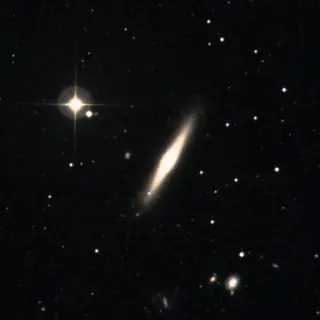
NGC 4111
A lens-shaped galaxy in Canes Venatici, seen nearly edge-on, with sources giving 43 to 50 million light-years.
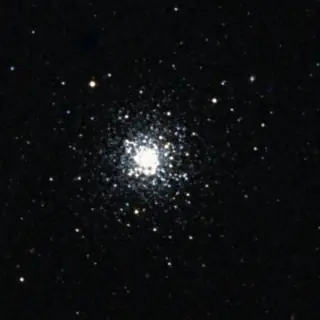
NGC 4147
A small globular cluster in Coma Berenices, about 60,000 light-years away and far above the plane of the Milky Way. It may have been pulled in from the Sagittarius dwarf galaxy.
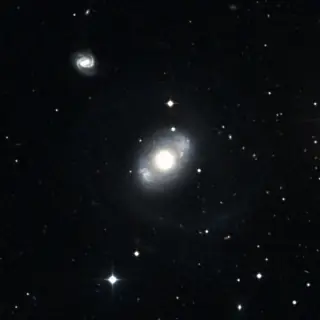
NGC 4151 — Eye of Sauron
A spiral galaxy in Canes Venatici, about 52 million light-years away, whose centre holds a black hole that is still growing.
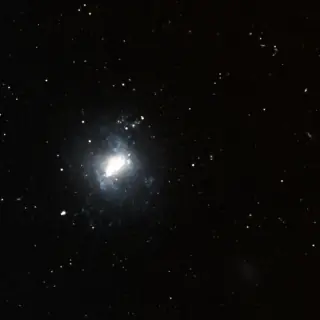
NGC 4214
Canes Venatici holds this small starburst galaxy of barred irregular shape, roughly 10 million light-years away and belonging to the M94 Group.
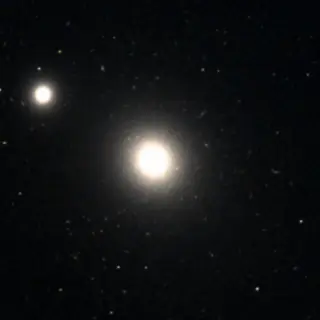
NGC 4278
An E1-2 elliptical galaxy in Coma Berenices, about 55 million light-years away and roughly 65,000 light-years across.
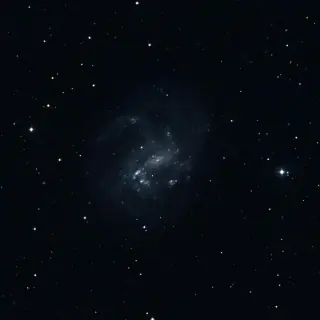
NGC 4395
A low-surface-brightness spiral in Canes Venatici, about 14 million light-years away, with no bulge.
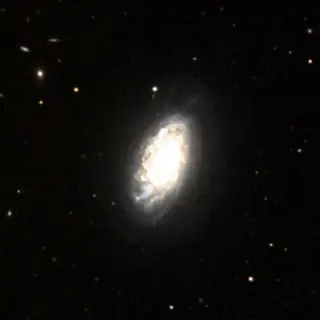
NGC 4414
A flocculent spiral in Coma Berenices, about 62 million light-years away and roughly 82,500 light-years across, nicknamed the Dusty Spiral.
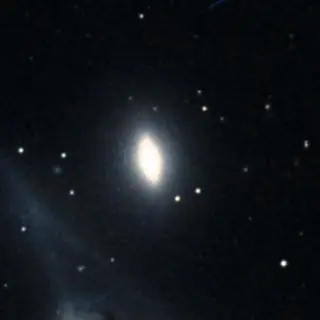
NGC 4435 — The Eyes
A barred lenticular galaxy in Virgo, about 52 million light-years away, which forms the Eyes with NGC 4438 in Markarian's Chain; the pair is also Arp 120.
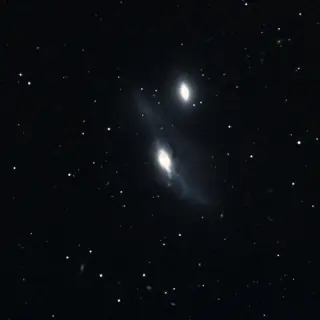
NGC 4438 — The Eyes
A distorted galaxy in Virgo, about 52 million light-years away, that pairs with NGC 4435 as the Eyes (Arp 120) in Markarian's Chain.
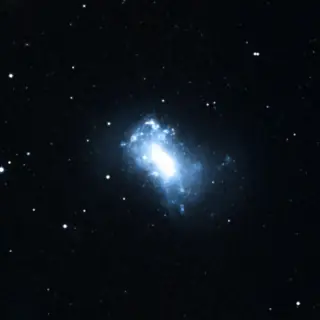
NGC 4449
NGC 4449, an irregular starburst galaxy in Canes Venatici about 13 million light-years away.
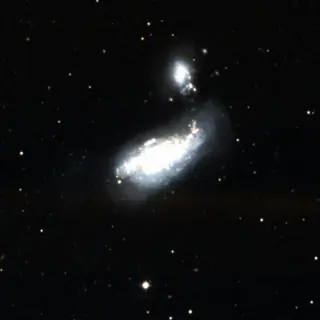
NGC 4490 — Cocoon Galaxy
The Cocoon Galaxy, a barred spiral in Canes Venatici about 25 million light-years away, locked in an encounter with the small NGC 4485 (together Arp 269).
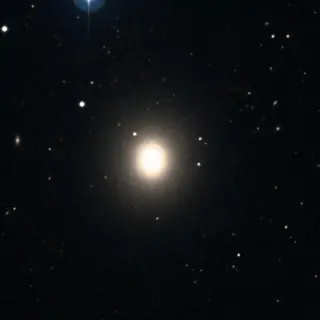
NGC 4494
An elliptical galaxy in Coma Berenices, about 45 million light-years away. Hubble has found a symmetric ring of dust around its nucleus, and it is unusually faint in X-rays.
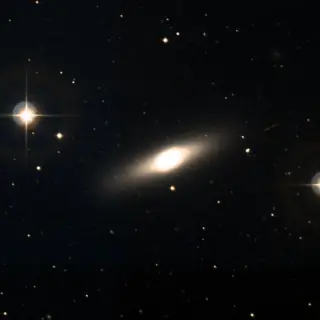
NGC 4526
A lenticular galaxy in Virgo, about 52–55 million light-years away, seen nearly edge-on with a dusty disc embedded in it.
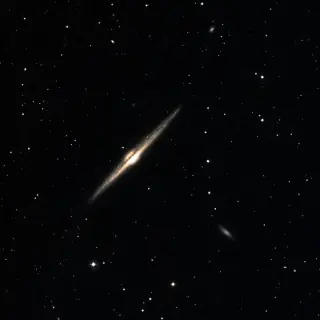
NGC 4565 — Needle Galaxy
The Needle Galaxy, a spiral seen edge-on from Earth, which gives it a thin streak about 16′ long.
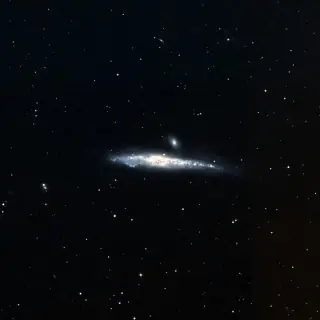
NGC 4631 — Whale Galaxy
An edge-on barred spiral in Canes Venatici, about 30 million light-years away, seen as a wedge-shaped streak.
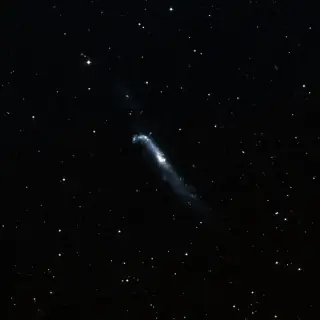
NGC 4656 — Hockey Stick
The Hockey Stick, a warped, edge-on barred spiral in Canes Venatici about 30 million light-years away.
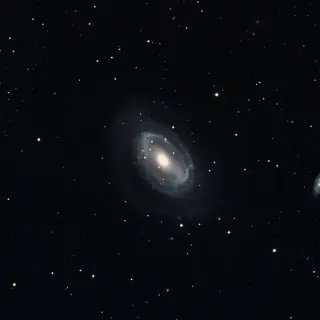
NGC 4725
A barred spiral in Coma Berenices, about 40 million light-years away and the leading galaxy of the Coma I Group.
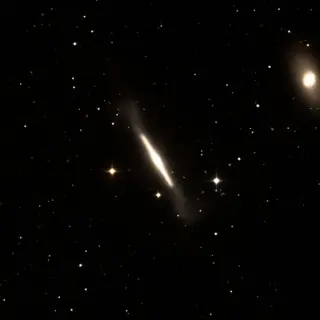
NGC 4762
A lenticular galaxy in Virgo seen edge-on, about 58 million light-years away in the Virgo Cluster. Its disc is lopsided and warped, possibly from swallowing a smaller galaxy long ago.
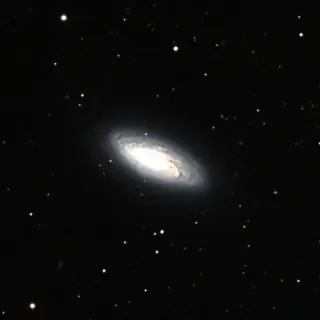
NGC 5005
This spiral galaxy in Canes Venatici lies roughly 65 million light-years off and is tilted toward us, and dust lanes cross its disk.
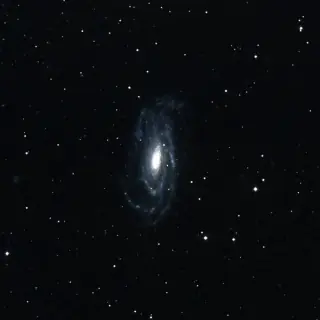
NGC 5033
A spiral galaxy in Canes Venatici with a Seyfert nucleus, roughly 40 to 54 million light-years away depending on the method.
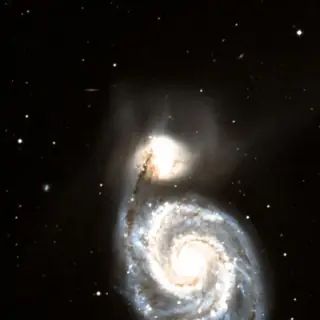
NGC 5195 — Whirlpool's Companion
A small galaxy in Canes Venatici, also called M51b, locked in an encounter with the Whirlpool Galaxy, roughly 23 to 31 million light-years away depending on the method.
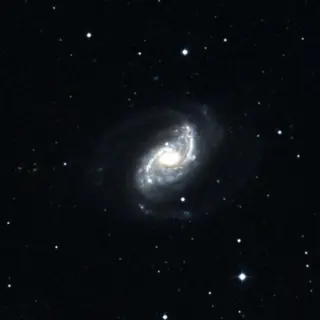
NGC 5248
NGC 5248 is a grand-design spiral in Boötes, about 42 million light-years away, with prominent arms sweeping outward from a faint central bar.
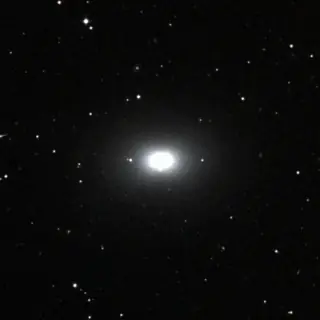
NGC 5322
An elliptical galaxy in Ursa Major, about 79 million light-years away and some 140,000 light-years across.
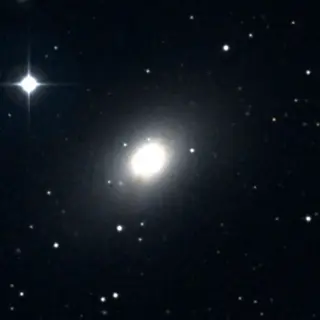
NGC 5363
A lenticular galaxy in Virgo, about 65 million light-years away and roughly 100,000 light-years across.
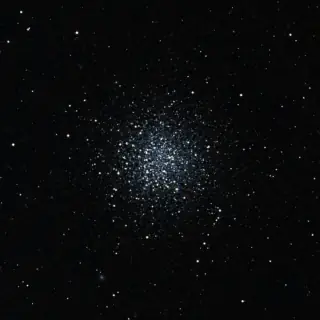
NGC 5466
A globular cluster in Boötes about 52,000 light-years away, loose for its brightness and unusually poor in heavy elements.
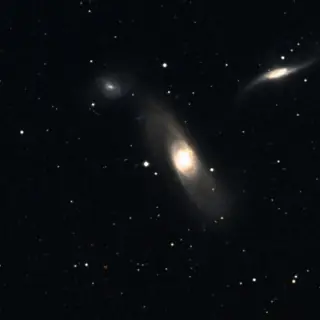
NGC 5566
A large barred spiral in Virgo, about 66 million light-years away and nearly 150,000 light-years across.
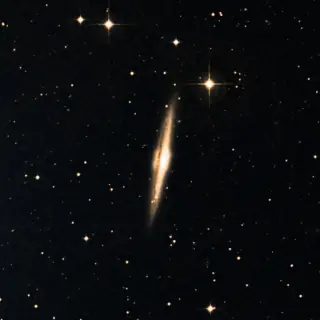
NGC 5746
A barred spiral in Virgo seen almost edge-on, about 99 million light-years away and some 194,000 light-years across. Its boxy bulge is the bar seen from the side.
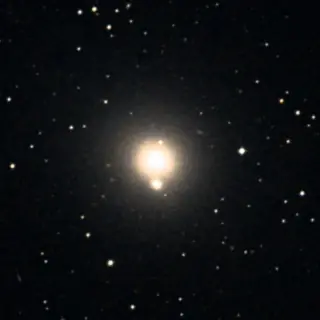
NGC 5846
A round giant elliptical galaxy in Virgo, roughly 93 million light-years away, and the leading member of a galaxy group. Hubble found more than 1,200 globular clusters around it.
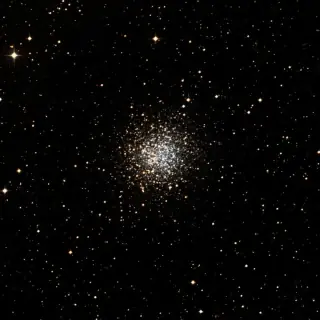
NGC 5897
In Libra, this globular cluster lies about 40,000 light-years away, rated class XI on the Shapley–Sawyer concentration scale.
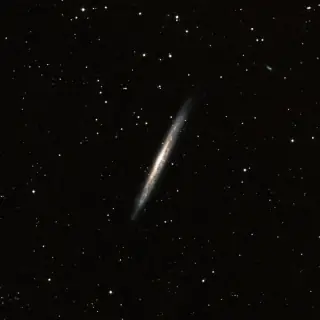
NGC 5907 — Splinter Galaxy
A thin edge-on spiral in Draco, about 46.5 million light-years away and roughly 173,000 light-years long.
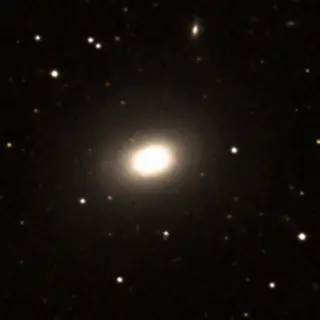
NGC 5982
An elliptical galaxy in Draco, about 123 million light-years away, seen with edge-on NGC 5981 and face-on NGC 5985 as the Draco Trio.
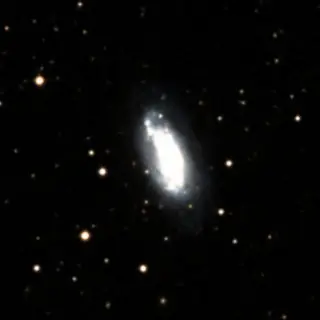
NGC 6207
A spiral galaxy in Hercules, about 30 million light-years away and roughly 1,200 times farther than M13, which lies about 28′ from it on the sky (approximate).
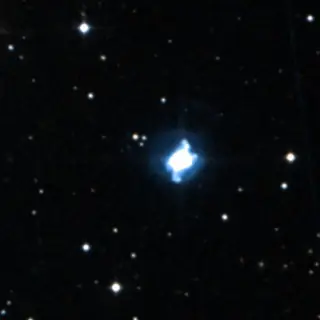
NGC 6210 — Turtle Nebula
Hercules holds this planetary nebula, nicknamed the Turtle Nebula, roughly 6,000 light-years from us.
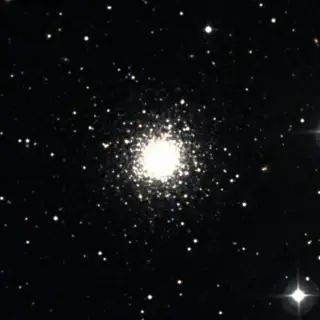
NGC 6229
A small globular cluster in Hercules, about 100,000 light-years away, roughly four times farther than its famous neighbour M13.
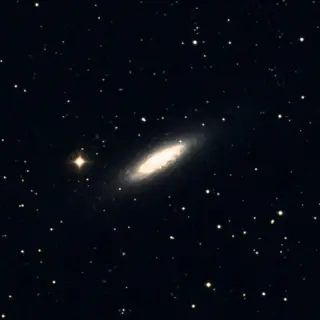
NGC 6503 — Lost-in-Space Galaxy
Lying about 18 million light-years off in Draco, this spiral is seen nearly edge-on with its disk inclined about 78°. It may be the far end of a chain of galaxies stretching into the Local Void.
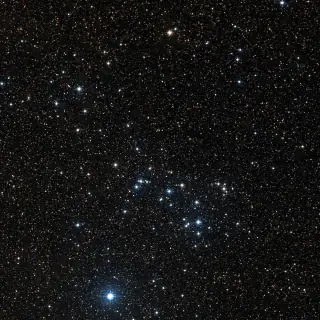
NGC 6633
A bright open cluster in Ophiuchus, about 1,040 light-years away and around 550 million years old. It spans about 27′, close to the width of the full Moon, and counts 38 known stars.
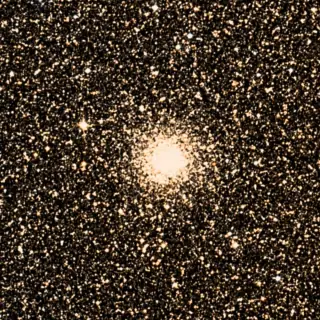
NGC 6712
A globular cluster in Scutum about 26,000 light-years away. Le Gentil probably spotted it in 1749 and called it a true nebula.
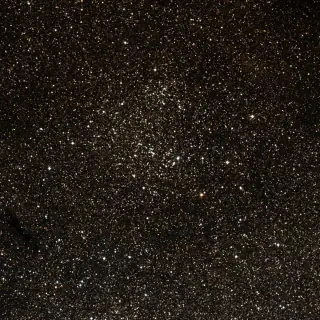
NGC 6755
A large, loose open cluster in Aquila, about 15′ across and magnitude 7.5, set against a dense Milky Way star field.
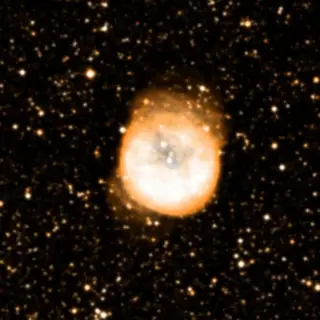
NGC 6781 — Snowglobe Nebula
The Snowglobe Nebula is a shell of gas cast off by a dying Sun-like star in Aquila, roughly 1,500 light-years from us.
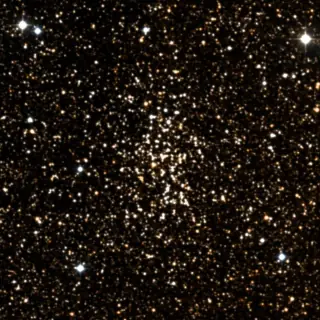
NGC 6802
A compact open cluster in Vulpecula made of dozens of distant stars, roughly 4,400 to 4,600 light-years away. It sits just east of the Coathanger asterism, whose stars are not bound to each other.
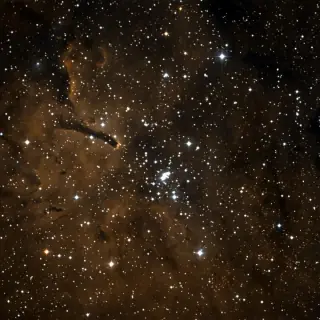
NGC 6823
A young open cluster in Vulpecula, about 6,000 light-years away, whose core formed around two million years ago.
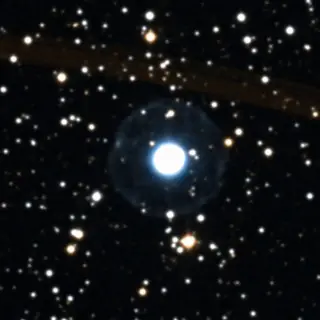
NGC 6826 — Blinking PN
NGC 6826, a small, bright planetary nebula in Cygnus about 2,000 light-years away. Its nickname comes from the central star: look straight at it and the nebula fades, glance aside and it returns.
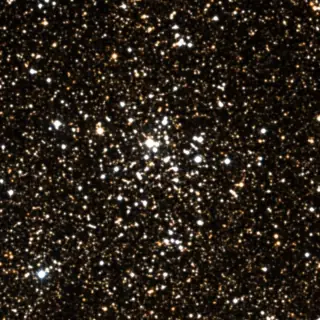
NGC 6834
A young open cluster in Cygnus with about 260 members, roughly 65 million years old. Sources give its distance anywhere from 6,700 to 10,850 light-years.
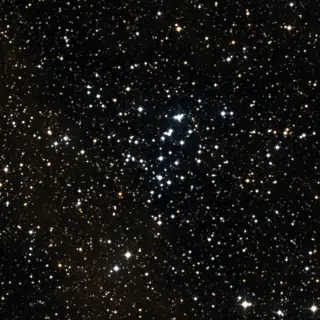
NGC 6866
A young open cluster in Cygnus nicknamed the Kite Cluster, about 4,350 light-years away. Its stars are roughly 430 million years old.
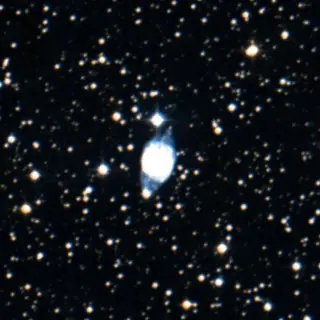
NGC 6905 — Blue Flash
The Blue Flash Nebula, a planetary nebula in Delphinus about 1.2′ across. Distance estimates range from roughly 5,500 to 8,500 light-years.
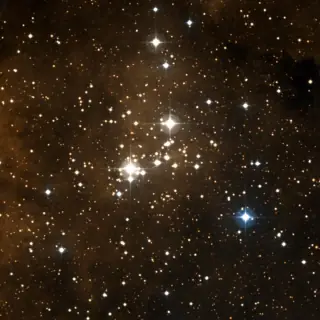
NGC 6910
The Inchworm Cluster, a young open cluster in Cygnus about 3,710 light-years away and 7 to 13 million years old.
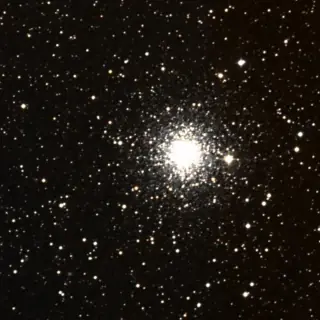
NGC 6934
A globular cluster in Delphinus, about 52,000 light-years away and roughly 90 light-years across. William Herschel found it in 1785.
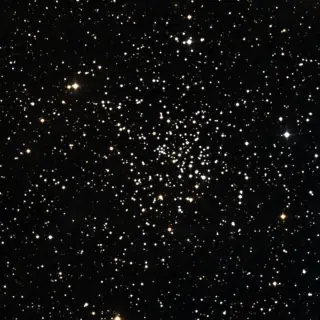
NGC 6939
An old open cluster in Cepheus, about 3,860 light-years away. Age estimates vary from about 1 to 2.2 billion years.
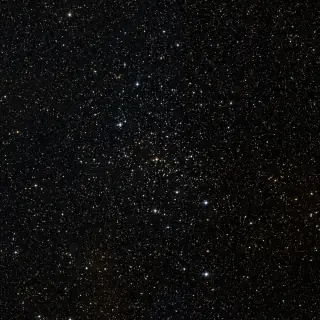
NGC 6940
A rich, loosely scattered open cluster in Vulpecula, about 2,510 light-years away and about 25′ across. More than 20 of its stars are red giants, the brightest being the variable FG Vulpeculae.
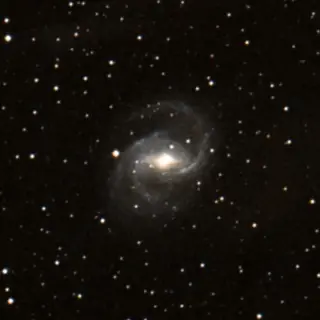
NGC 6951
A barred spiral galaxy in Cepheus, about 75 million light-years away. It is in the Herschel 400, and five supernovae have been recorded in it since 1999.
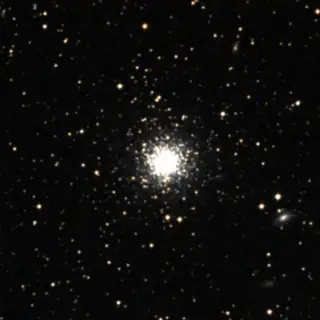
NGC 7006
A globular cluster in Delphinus, about 135,000 light-years away in the Milky Way's outer halo. Its eccentric orbit hints that it formed in a small galaxy and was captured later.
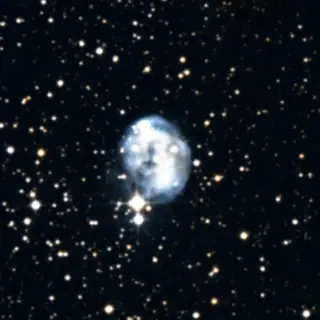
NGC 7008
A planetary nebula in Cygnus, about 2,800 light-years away and roughly a light-year across, also called the Fetus Nebula. William Herschel found it in 1787, and it is part of the Herschel 400.
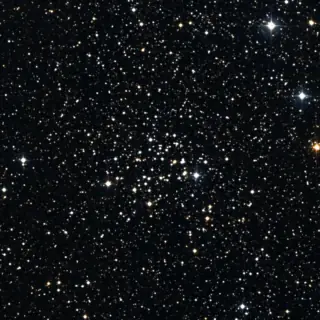
NGC 7062
Cygnus holds this modest open cluster, which lies some 4,800 light-years from us; WEBDA puts its age near 300 million years.
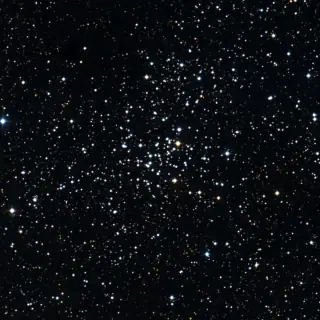
NGC 7086
An open cluster in Cygnus, about 4,200 light-years away, with an age estimated at 130 to 140 million years. William Herschel discovered it in 1788, and it is in the Herschel 400.
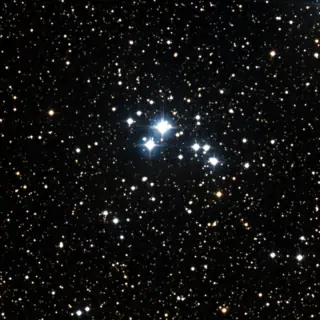
NGC 7160
A sparse young open cluster in Cepheus, about 2,570 light-years away and 10 to 19 million years old. It lies inside the Cepheus Bubble, a dusty shell bordered by HII regions such as IC 1396.
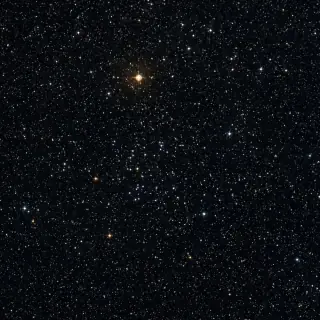
NGC 7209
A loose open cluster in Lacerta, about 3,810 light-years away and roughly 420 million years old.
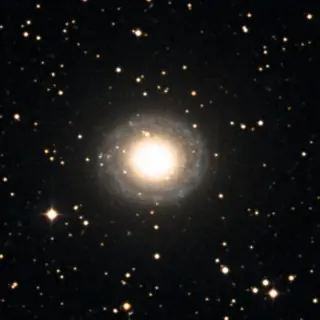
NGC 7217
A galaxy in Pegasus roughly 50 million light-years away, with several rings of stars around its nucleus.
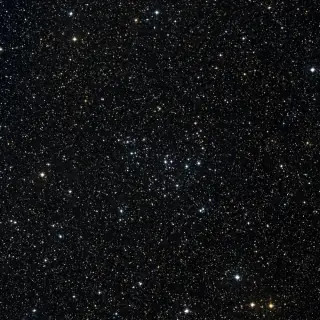
NGC 7243
A loose cluster of mostly blue-white stars in Lacerta, about 2,800 light-years away; age estimates run from 100 to 250 million years.
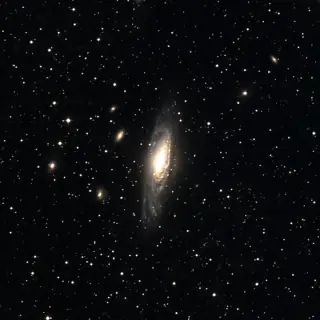
NGC 7331
An unbarred spiral galaxy in Pegasus, about 44 million light-years away, often compared to our own Milky Way. The bulge at its centre spins against the rotation of the disk around it.
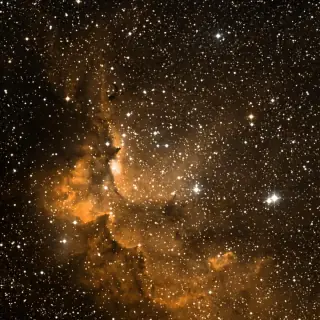
NGC 7380 — Wizard Nebula
The young star cluster in Cepheus at the heart of the Wizard Nebula, about 8,000 light-years away.
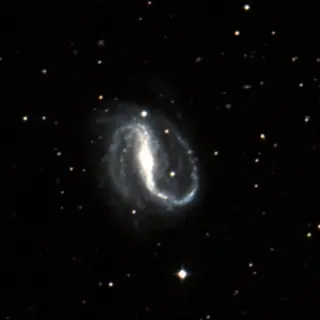
NGC 7479
NGC 7479, the Superman Galaxy, is a barred spiral in Pegasus about 105 million light-years away. William Herschel found it in 1784, and it is in the Herschel 400 list.
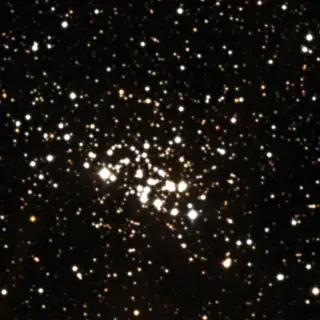
NGC 7510
A compact young open cluster in Cepheus about 6 million years old. Sources give its distance as anywhere from 6,800 to about 10,900 light-years.
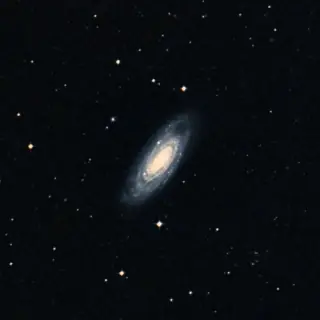
NGC 7606
An unbarred spiral galaxy in Aquarius, about 98.5 million light-years away, whose two principal arms wind through nearly a full turn.
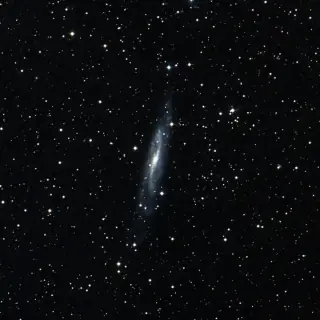
NGC 7640
A small barred spiral in Andromeda, tilted close to edge-on, which makes its bar and dust lanes easier to pick out than its arms. Sources put it anywhere from about 18 to 30 million light-years away.
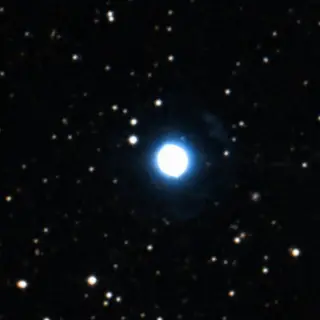
NGC 7662 — Blue Snowball
A planetary nebula in Andromeda: the gas shell shed by a dying star, glowing blue-green from doubly ionised oxygen. Sources disagree on its distance, from about 2,500 to about 5,700 light-years.
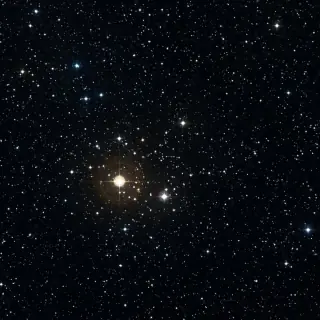
NGC 7686
A loose open cluster in Andromeda with around 80 stars by one count, bright enough at magnitude 5.6 for binoculars. Distance estimates run from about 900 to 3,000 light-years.
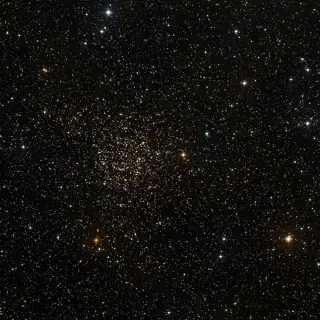
NGC 7789 — Caroline's Rose
Caroline's Rose, a rich open cluster in Cassiopeia about 7,600 light-years away. Caroline Herschel spotted it in 1783.
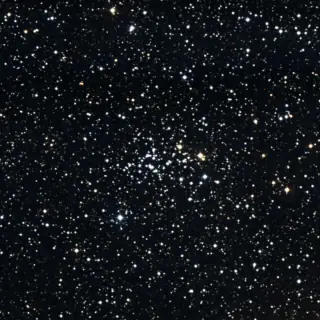
NGC 7790
A young open cluster in Cassiopeia about 10,800 light-years away, estimated at 60 to 80 million years old.