
Caldwell catalogue: 109 imaging targets
Patrick Moore put the Caldwell catalogue together in 1995 and named it after the first half of his surname, Caldwell-Moore, because the letter M was already taken. It lists 109 bright star clusters, nebulae and galaxies that are not on Messier's list, numbered from the far north to the far south. It is a natural next step after Messier, with large targets such as the Veil Nebula and the Double Cluster, and southern ones such as Omega Centauri.
Further reading: Astronomical League: Caldwell Observing Program
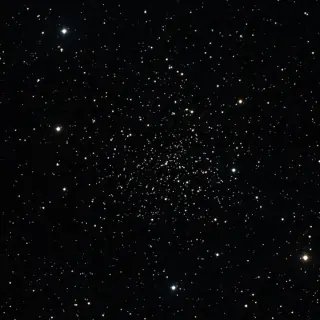
C1
Cepheus holds this cluster, about 6,000 light-years away and within 5° of the north celestial pole.
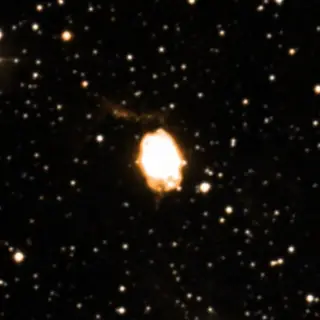
C2 — Bow-Tie Nebula
A shell of gas thrown off by a dying star in Cepheus, about 5,300 light-years away. The star at its centre is a hot, carbon-rich type, and the glow should fade within roughly 30,000 years.
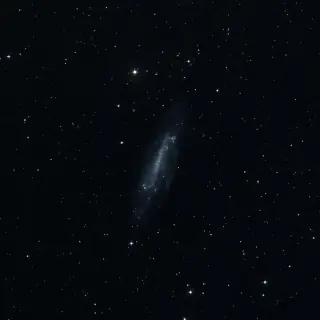
C3
Draco is home to this barred spiral, roughly 11.7–14.5 million light-years away and tied to the M81 Group. Stars are forming across its entire disk, and its emission nebulae are plentiful.
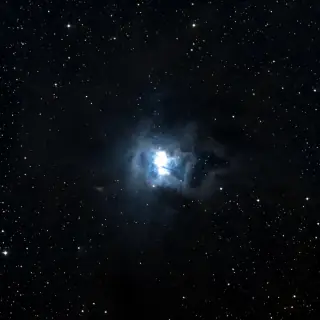
C4 — Iris Nebula
A reflection nebula in Cepheus, about 1,300 light-years away, spanning roughly 6 light-years.
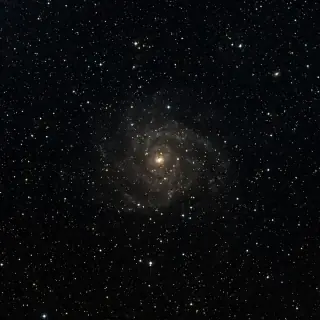
C5 — Hidden Galaxy
Camelopardalis holds this spiral galaxy, roughly 11 million light-years away.
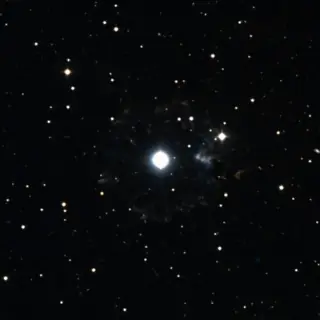
C6 — Cat's Eye Nebula
A planetary nebula in Draco: the shell of gas shed by a dying star, roughly 3,300 light-years away.
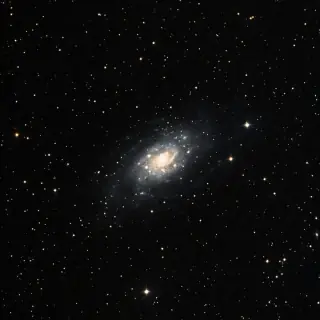
C7 — NGC 2403
NGC 2403 is a spiral galaxy in Camelopardalis, roughly 9.7 million light-years distant, on the outskirts of the M81 group.
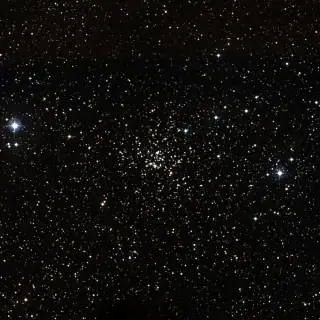
C8
An old open cluster in Cassiopeia holding roughly 150 stars, found by William Herschel in 1787. Distance estimates differ: about 4,100 light-years in one study and 7,200 in another.
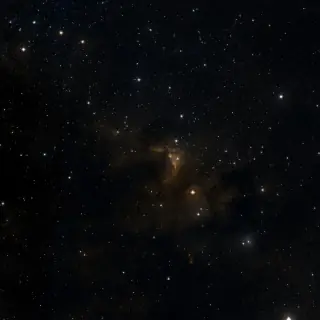
C9 — Cave Nebula
An emission nebula in Cepheus, about 2,400 light-years away, lit by hot young stars of the Cepheus OB3 association. A bright arc of glowing gas gave Patrick Moore the cave-mouth image behind its name.
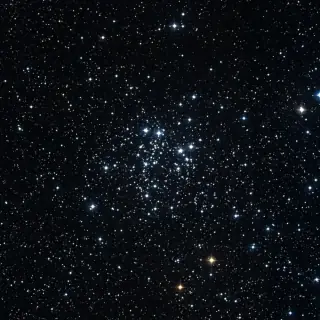
C10
NGC 663, a young open cluster in Cassiopeia, roughly 6,500 to 8,800 light-years away depending on the source.
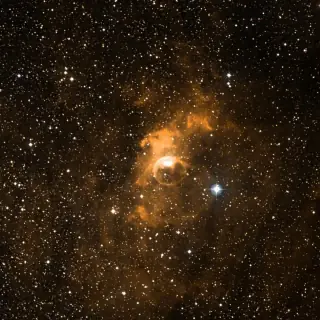
C11 — Bubble Nebula
An emission nebula in Cassiopeia, about 7,100 light-years away. The wind from the massive young star SAO 20575 blows a shell of gas around itself, and the nearby cloud glows in response.
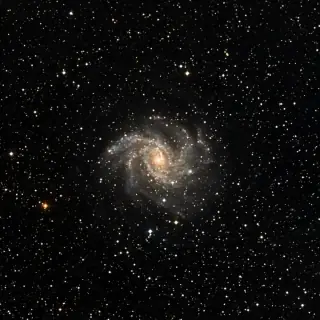
C12 — Fireworks Galaxy
NGC 6946, a spiral galaxy seen face-on on the Cygnus–Cepheus border, roughly 22–25 million light-years away.
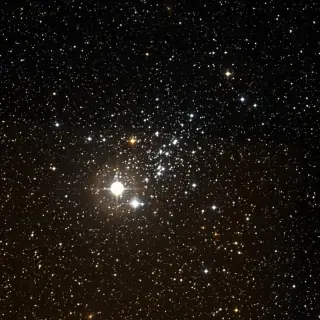
C13 — Owl Cluster
An open cluster in Cassiopeia, some 7,900 light-years from us and about 21 million years old.
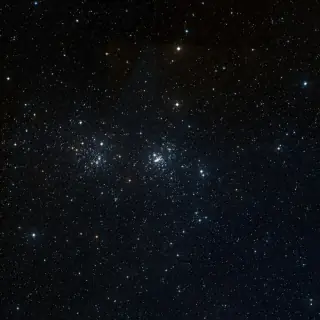
C14 — Double Cluster
The Double Cluster, two young open clusters, NGC 869 and NGC 884, in Perseus about 7,500 light-years away.
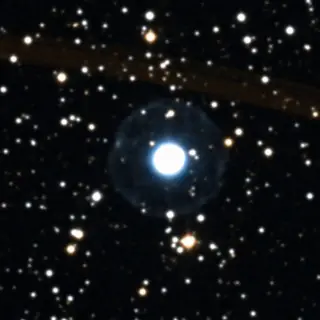
C15 — Blinking Planetary
NGC 6826, a small, bright planetary nebula in Cygnus about 2,000 light-years away. Its nickname comes from the central star: look straight at it and the nebula fades, glance aside and it returns.
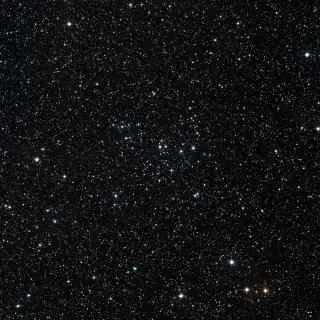
C16
A loose cluster of mostly blue-white stars in Lacerta, about 2,800 light-years away; age estimates run from 100 to 250 million years.
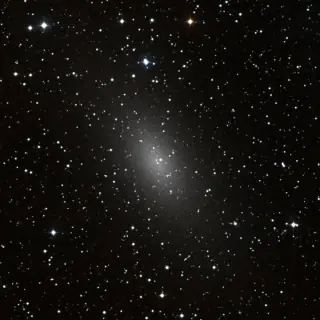
C17
NGC 147, a dwarf spheroidal galaxy in Cassiopeia about 2.5 million light-years away and a satellite of the Andromeda Galaxy.
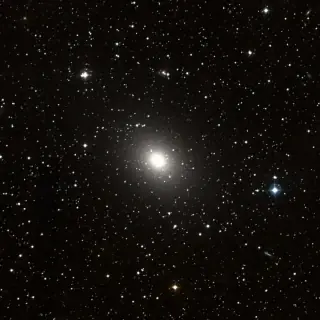
C18
NGC 185, a small dwarf galaxy in Cassiopeia, about 2.1 million light-years away.
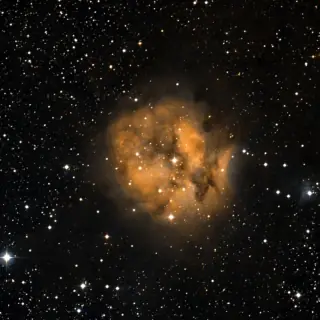
C19 — Cocoon Nebula
IC 5146, a star-forming cloud in Cygnus that is partly glowing hydrogen, partly reflected starlight and partly dark dust. Sources give its distance as roughly 2,500 to 4,000 light-years.
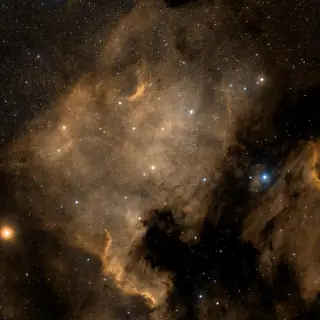
C20 — North America Nebula
An emission nebula in Cygnus near Deneb, named for its resemblance to North America, about 2,590 light-years away.
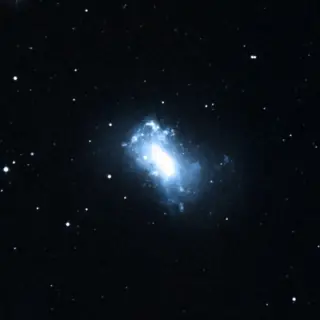
C21
NGC 4449, an irregular starburst galaxy in Canes Venatici about 13 million light-years away.
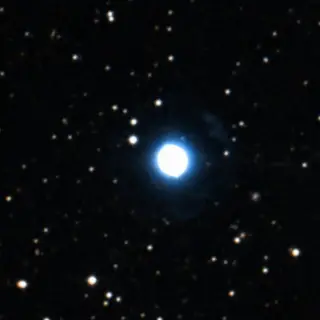
C22 — Blue Snowball
A planetary nebula in Andromeda: the gas shell shed by a dying star, glowing blue-green from doubly ionised oxygen. Sources disagree on its distance, from about 2,500 to about 5,700 light-years.
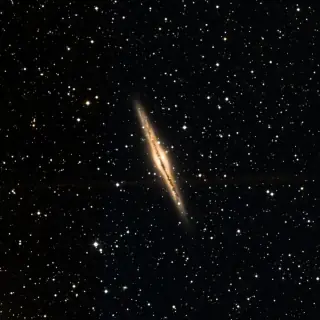
C23 — Silver Sliver Galaxy
The Silver Sliver Galaxy, Caldwell 23: an edge-on spiral galaxy in Andromeda, about 27 million light-years away and roughly 130,000 light-years across.
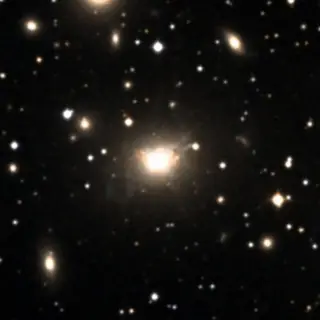
C24 — Perseus A Cluster
NGC 1275, nicknamed Perseus A, sits at the centre of the Perseus Cluster, some 225–230 million light-years away.
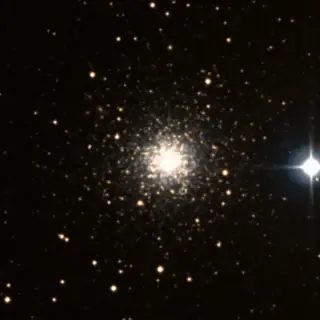
C25
NGC 2419, a globular cluster in Lynx roughly 300,000 light-years away, farther out than the Magellanic Clouds.
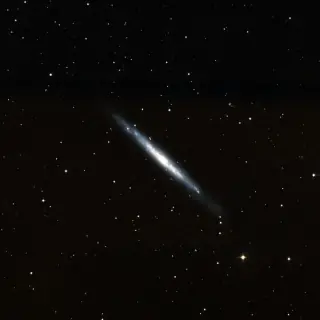
C26
NGC 4244, the Silver Needle, an edge-on spiral in Canes Venatici roughly 14 million light-years away and part of the M94 Group.
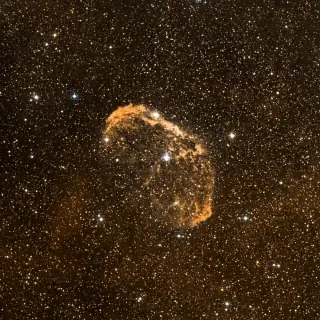
C27 — Crescent Nebula
NGC 6888, the Crescent Nebula, an emission nebula in Cygnus about 5,000 light-years away.
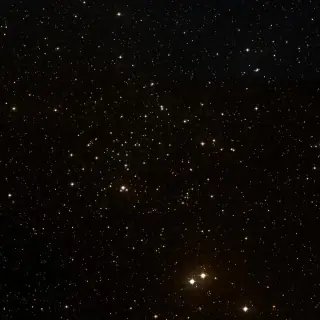
C28
NGC 752, a loose open cluster in Andromeda about 1,400 light-years away and roughly 1.3 billion years old, old for an open cluster.
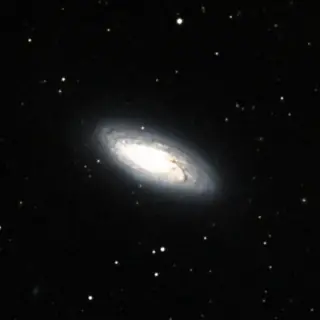
C29
This spiral galaxy in Canes Venatici lies roughly 65 million light-years off and is tilted toward us, and dust lanes cross its disk.
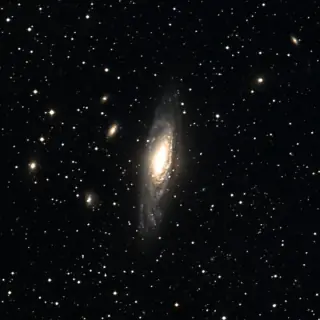
C30
An unbarred spiral galaxy in Pegasus, about 44 million light-years away, often compared to our own Milky Way. The bulge at its centre spins against the rotation of the disk around it.
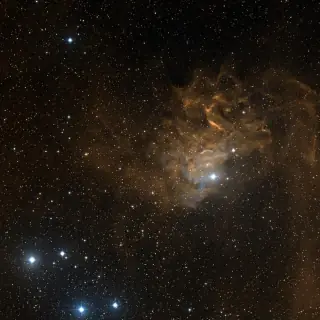
C31 — Flaming Star Nebula
The star AE Aurigae, an irregular variable, lights this cloud of gas and dust in Auriga, some 1,500 light-years from Earth.
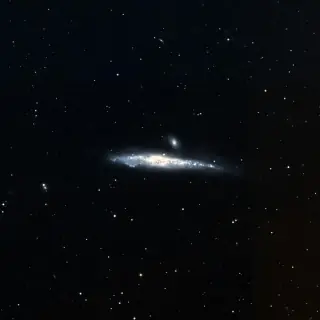
C32 — Whale Galaxy
An edge-on barred spiral in Canes Venatici, about 30 million light-years away, seen as a wedge-shaped streak.
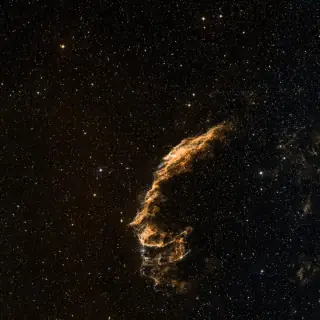
C33 — Eastern Veil Nebula
The eastern arc of a supernova remnant in Cygnus, brightest at NGC 6992 and fading south through NGC 6995.
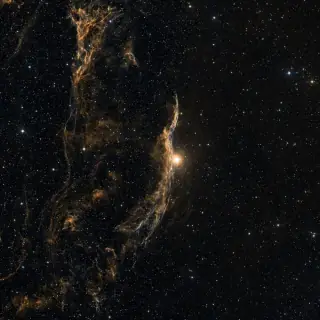
C34 — Western Veil Nebula
The western arc of the Veil, a supernova remnant in Cygnus, catalogued as NGC 6960 and nicknamed the Witch's Broom.
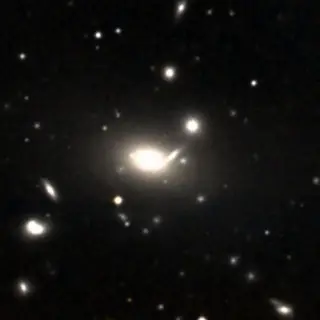
C35
NGC 4889, a giant elliptical galaxy in Coma Berenices, roughly 308 million light-years distant.
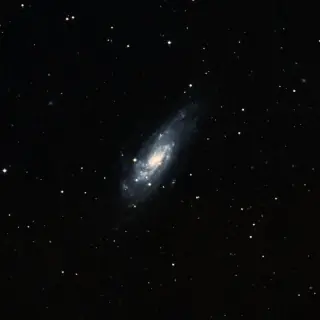
C36
NGC 4559, a spiral galaxy in Coma Berenices that sits between barred and regular forms, and part of the group called Coma I.
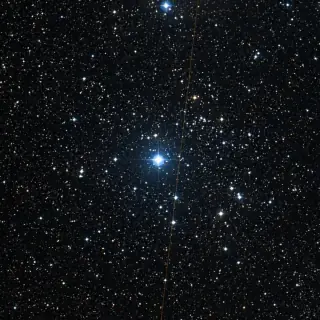
C37
NGC 6885, an open cluster in Vulpecula about 1,950 light-years away, centred on the naked-eye star 20 Vulpeculae.
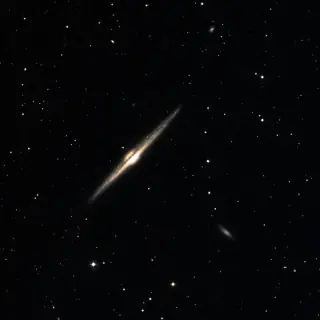
C38 — Needle Galaxy
The Needle Galaxy, a spiral seen edge-on from Earth, which gives it a thin streak about 16′ long.
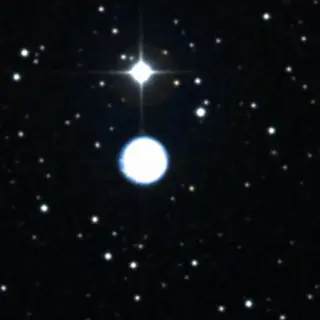
C39 — Eskimo Nebula
A planetary nebula in Gemini, about 6,500 light-years away, made of gas shed by a dying Sun-like star.
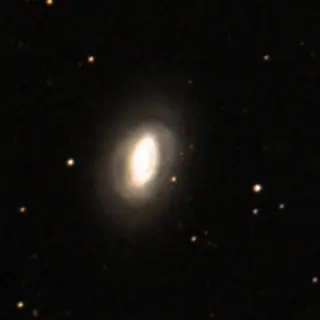
C40
A lenticular galaxy in Leo, about 70 million light-years away, with a bright bulge and a smooth disk but no prominent spiral arms.
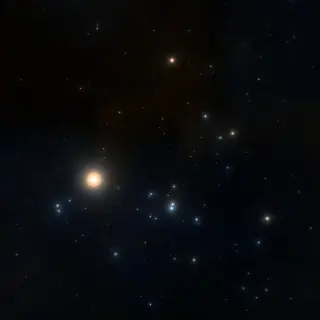
C41 — Hyades
Open cluster in Taurus, about 153 light-years away and the closest one to the Sun, with hundreds of stars and an age near 625 million years.
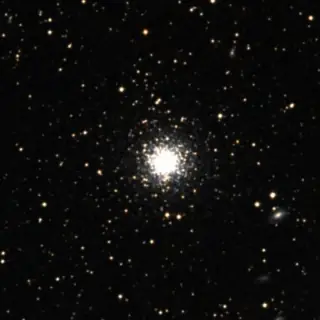
C42
A globular cluster in Delphinus, about 135,000 light-years away in the Milky Way's outer halo. Its eccentric orbit hints that it formed in a small galaxy and was captured later.
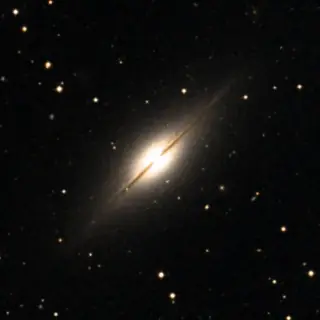
C43
NGC 7814, nicknamed the Little Sombrero, is a spiral galaxy in Pegasus that we see almost exactly edge-on, some 40 million light-years from us.
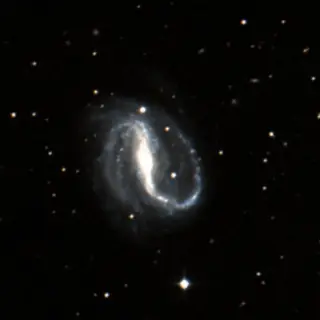
C44
NGC 7479, the Superman Galaxy, is a barred spiral in Pegasus about 105 million light-years away. William Herschel found it in 1784, and it is Caldwell 44.
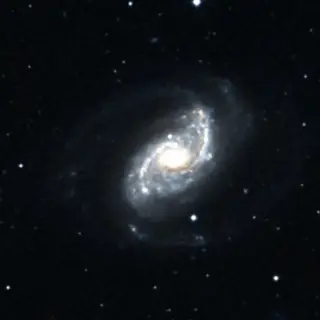
C45
NGC 5248 is a grand-design spiral in Boötes, about 42 million light-years away, with prominent arms sweeping outward from a faint central bar.
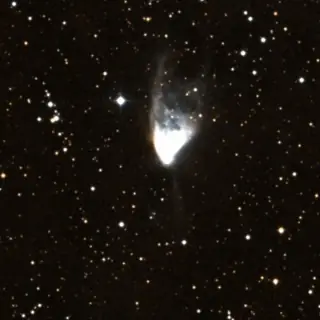
C46
A small fan-shaped reflection nebula in Monoceros, about 2,500 light-years away. The young star R Monocerotis at its tip lights the dust.
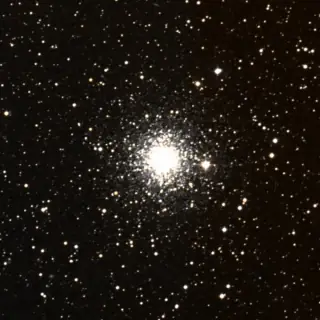
C47
A globular cluster in Delphinus, about 52,000 light-years away and roughly 90 light-years across. William Herschel found it in 1785.
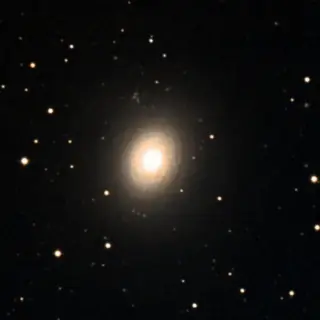
C48
A ring-bearing spiral galaxy in Cancer, about 67 million light-years away and some 79,000 light-years across.
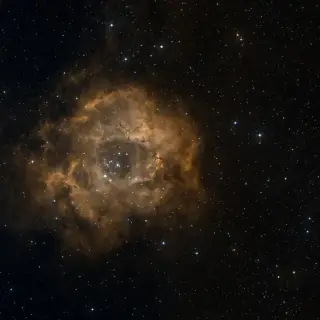
C49 — Rosette Nebula
A ring of glowing hydrogen in Monoceros, about 5,200 light-years away and roughly 130 light-years across.
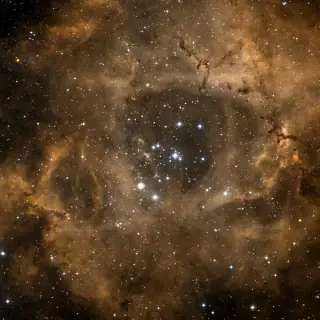
C50
The young open cluster inside the Rosette Nebula (C49), about 5,200 light-years away and under 5 million years old.
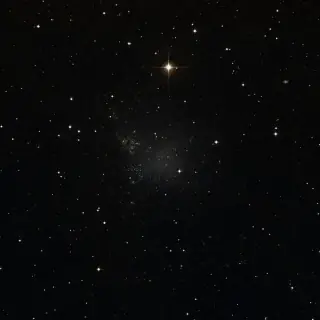
C51
IC 1613, an irregular dwarf galaxy in Cetus, about 2.4 million light-years away and part of the Local Group's far fringe.
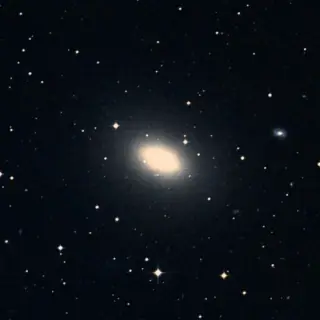
C52
NGC 4697, an elliptical galaxy of class E6 in Virgo, at roughly 40 million light-years (estimates range from 28 to 76 million).
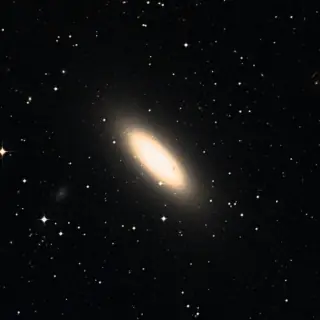
C53 — Spindle Galaxy
A lenticular galaxy in Sextans about 32 million light-years away, seen almost exactly edge-on. William Herschel found it in 1787, and it was once classed as an elliptical.
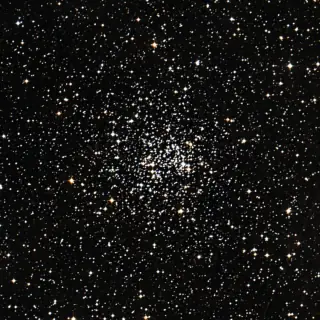
C54
NGC 2506, an open cluster in Monoceros about 12,700 light-years away, also listed as Melotte 80 and Collinder 170. It is roughly 2 billion years old, and it is metal-poor compared with the Sun.
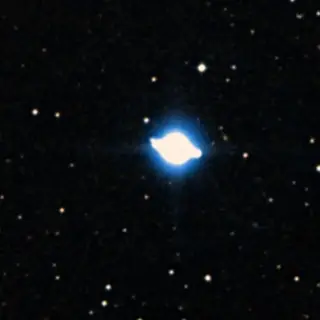
C55 — Saturn Nebula
The Saturn Nebula, NGC 7009, is a planetary nebula in Aquarius. Estimates put it a few thousand light-years away, from about 3,900 to 5,200.
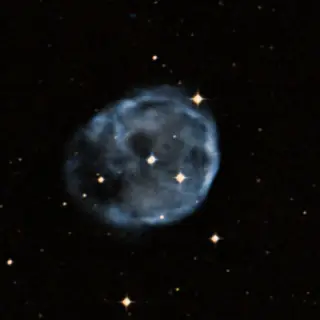
C56
NGC 246, the Skull Nebula, lies in Cetus roughly 3,500 light-years from us. Three stars sit at its heart, which no other known planetary nebula can claim.
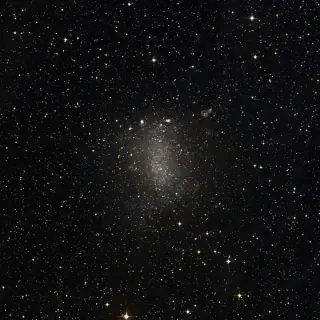
C57
NGC 6822 is a small irregular galaxy in Sagittarius; its light takes about 1.6 million years to reach us. It ranks among the closest galaxies to our own that are not satellites of it.
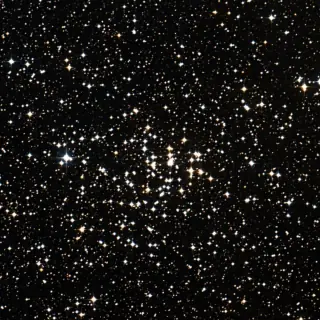
C58
Canis Major holds this loose star cluster, NGC 2360, about 3,700 light-years away and roughly 2.2 billion years old.
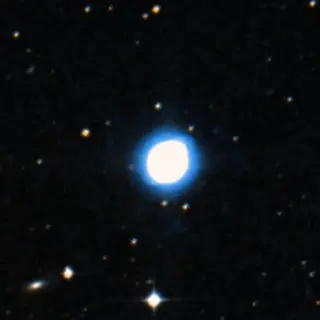
C59 — Ghost of Jupiter
A planetary nebula in Hydra, roughly 4,800 light-years away, nicknamed the Ghost of Jupiter.
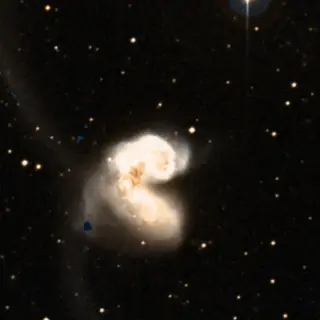
C60
NGC 4038, one half of the Antennae, two spiral galaxies in Corvus colliding about 60–70 million light-years away. Their long curved tails of stars and gas look like insect antennae.
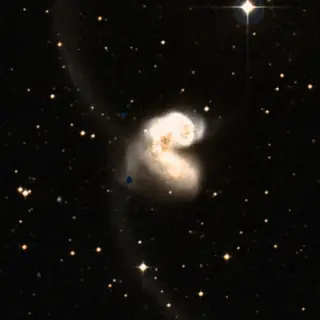
C61
NGC 4039, the other half of the Antennae, two spiral galaxies in Corvus colliding about 60–70 million light-years away. Their long curved tails of stars and gas look like insect antennae.
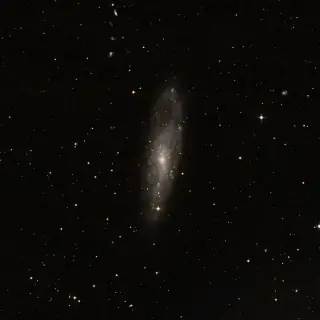
C62
NGC 247 lies in Cetus, about 11 million light-years away, a spiral galaxy that belongs to the Sculptor Group.
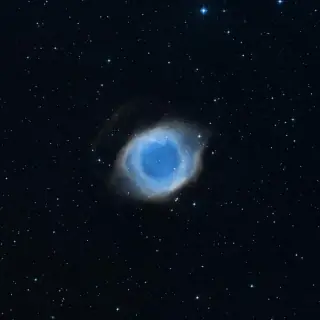
C63 — Helix Nebula
The Helix Nebula, a planetary nebula in Aquarius about 650 light-years away, among the closest bright ones to Earth.
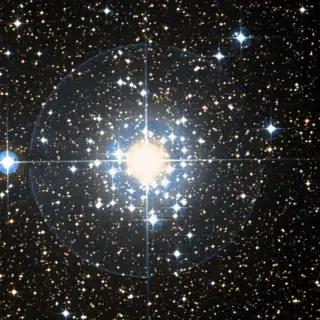
C64 — Tau Canis Majoris Cluster
NGC 2362 is a young cluster set in Canis Major, centred on its brightest member, and about 4,800 light-years from us. That member is Tau Canis Majoris, an O-type supergiant.
C65
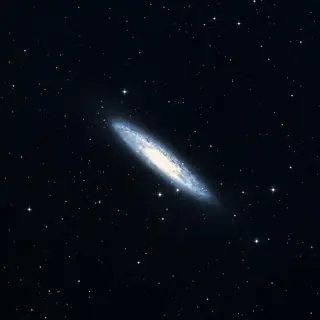
The Sculptor Galaxy, NGC 253, a starburst spiral about 11.4 million light-years away and the brightest member of the Sculptor Group. Caroline Herschel found it in 1783 while hunting for comets.
C66
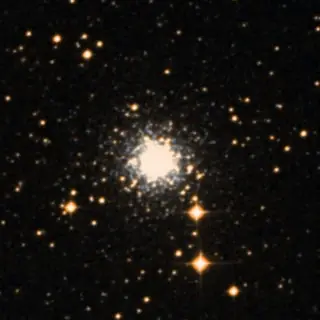
NGC 5694, a globular cluster on the Hydra–Libra border about 114,000 light-years away in the Milky Way's outer halo.
C67
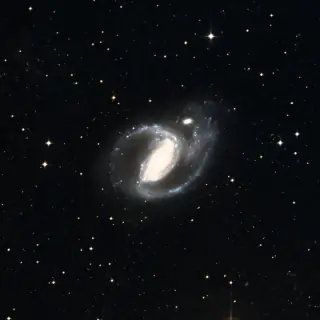
NGC 1097 is a barred spiral in Fornax, lying 45 million light-years out, with an active nucleus around a black hole of roughly 140 million solar masses.
C68
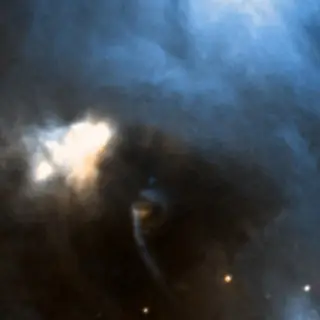
NGC 6729, a fan-shaped reflection nebula in Corona Australis, lit by the young star R Coronae Australis about 420 light-years away.
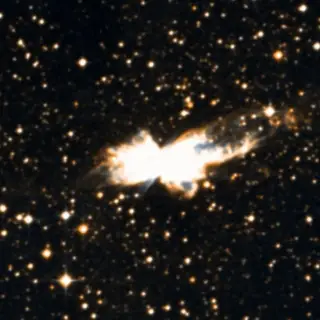
C69 — Bug Nebula
The Bug or Butterfly Nebula, NGC 6302, is a two-lobed planetary nebula in Scorpius, about 3,400 light-years away.
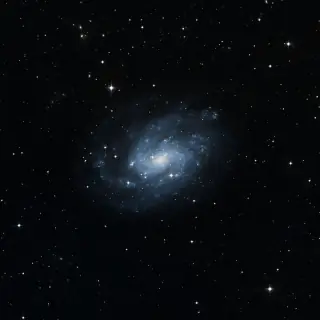
C70
NGC 300, the Sculptor Pinwheel, is a spiral galaxy seen nearly face-on about 6 million light-years away.
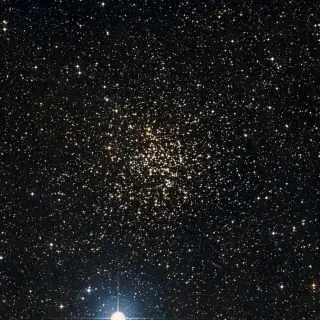
C71
NGC 2477, the Termite Hole Cluster, is a Puppis cluster of some 300 stars, about 3,600 light-years away and roughly a billion years old. It spans nearly the width of the full Moon.
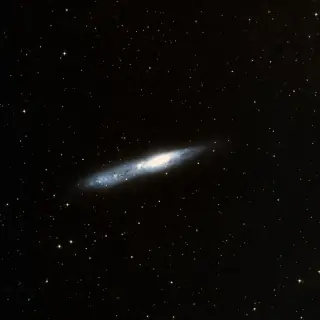
C72
NGC 55, a barred galaxy of the Magellanic type in Sculptor, roughly 6,500,000 light-years distant. We see it almost edge-on, so it looks like a long, lopsided streak.
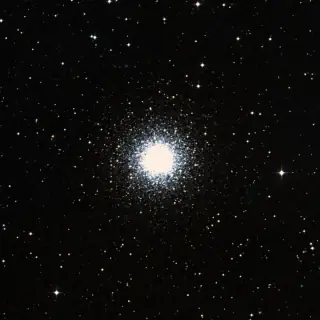
C73
NGC 1851, a globular cluster in Columba about 39,500 light-years away. It is one of the most tightly packed clusters known.
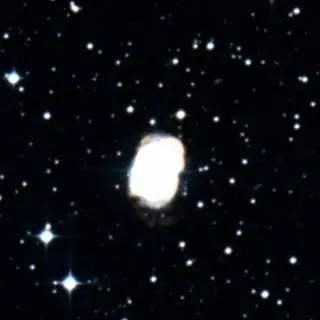
C74 — Eight-Burst Nebula
NGC 3132, a planetary nebula in Vela about 2,000 light-years away, a shell shed by a dying star. Seen from the south it is called the Eight-Burst or Southern Ring Nebula.
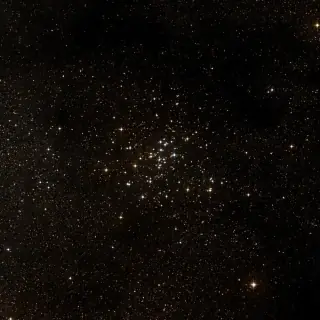
C75
NGC 6124, an open cluster in Scorpius 1,860 light-years distant, found by Lacaille in 1751 from South Africa.
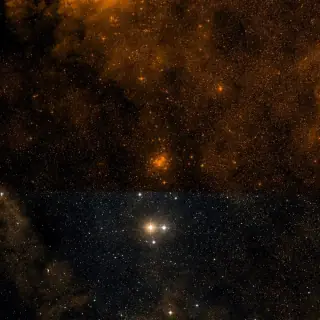
C76
NGC 6231, a young open cluster in Scorpius about 5,600 light-years away and only a few million years old.
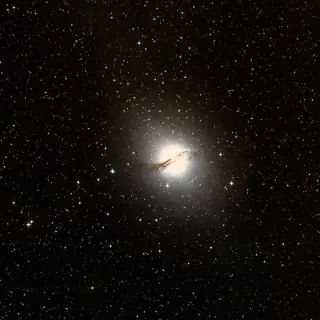
C77 — Centaurus A
NGC 5128 in Centaurus, a galaxy whose dark dust lane cuts across a glowing body, 11 to 13 million light-years away.
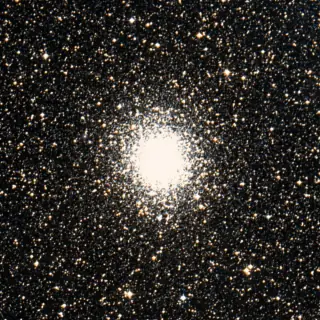
C78
NGC 6541 is a star ball in Corona Australis, about 23,000–25,000 light-years away. Its core is thought to have collapsed, and 94 blue straggler stars have been identified in it.
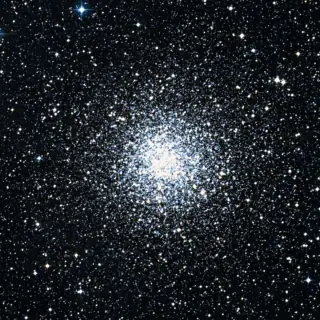
C79
NGC 3201, a loose globular cluster in Vela about 16,300 light-years away. Stellar-mass black holes have been found in it through the motions of the stars that orbit them.
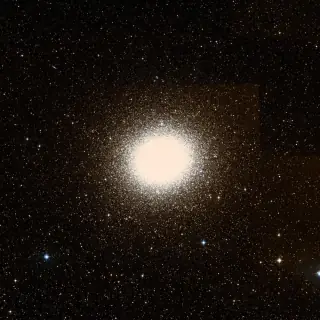
C80 — Omega Centauri
Omega Centauri holds around 10 million stars, about 17,000 light-years away, and outweighs every other cluster of its kind in our galaxy.
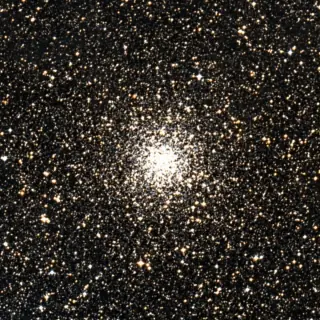
C81
NGC 6352, a loose and relatively metal-rich globular cluster in Ara, about 18,000 light-years away. It has two stellar generations that formed only about 10 million years apart.
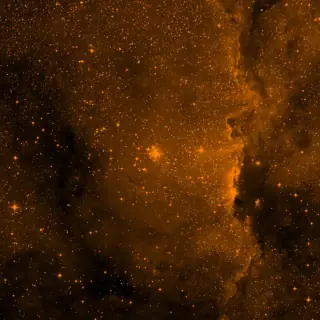
C82
NGC 6193, the Firebird Cluster, a young open cluster in Ara about 3,800 light-years away. Its stars are only around 3 million years old.
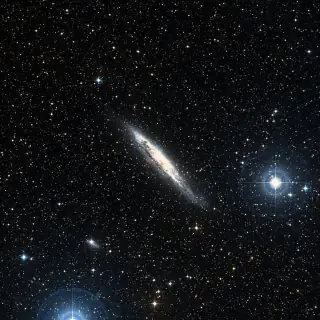
C83
NGC 4945, an edge-on barred spiral in Centaurus about 11 million light-years away, nicknamed the Gold Dollar Galaxy. Dust veils a Seyfert 2 nucleus that is among the nearest active ones to Earth.
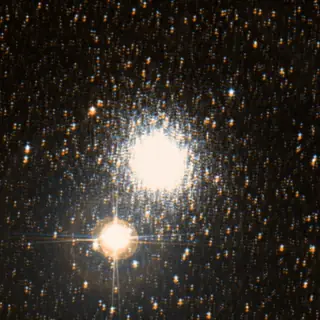
C84
NGC 5286, a globular cluster in Centaurus about 36,000 light-years away, lying 4′ from M Centauri, a star visible without optical aid.
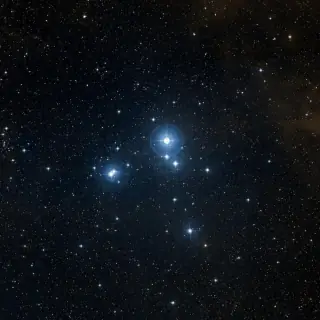
C85 — Omicron Velorum Cluster
IC 2391, the Omicron Velorum Cluster, about 30 hot young stars in Vela roughly 500 light-years away. Its age is about 50 million years.
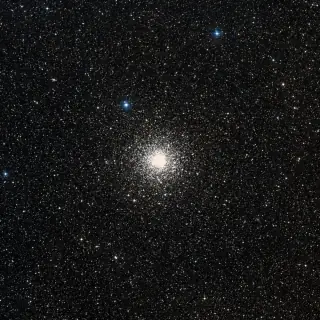
C86
NGC 6397, a globular cluster in Ara about 7,800 light-years away, among the closest two to Earth together with Messier 4.
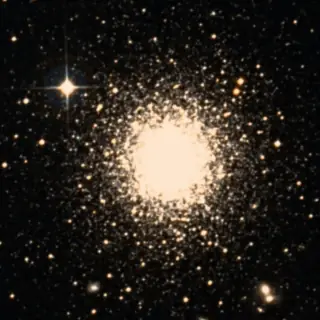
C87
NGC 1261 is an old, dense star ball in Horologium, about 53,500 light-years away and logged by Dunlop in 1826. It is roughly 10 billion years old and holds about 340,000 times the Sun's mass.
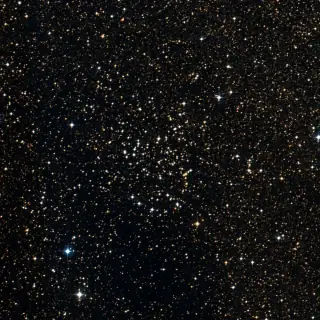
C88
NGC 5823, a loose open cluster straddling the Circinus and Lupus border, logged by Dunlop in 1826. Estimates put it at 3,500 to 4,700 light-years and around 800 million years old.
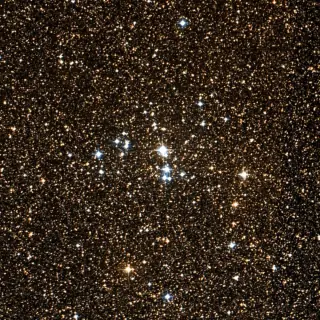
C89
NGC 6087, the S Normae Cluster, in Norma about 3,500 light-years away. It is built around S Normae, a Cepheid star that belongs to it and whose pulsation lets astronomers check the cluster's distance.
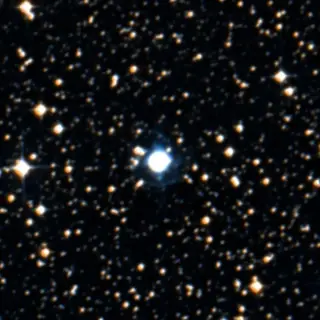
C90
NGC 2867, a planetary nebula in Carina, roughly 7,300 light-years away. John Herschel found it in 1834 and briefly thought it might be a new planet until it failed to move.
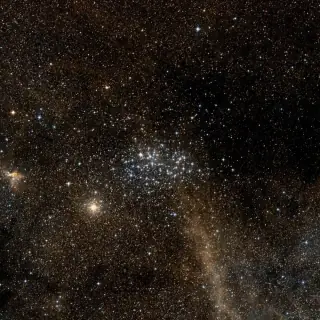
C91
A bright open cluster in Carina, about 1,320 light-years away, nicknamed the Wishing Well. Roughly 150 of its stars are 7th magnitude or dimmer, among them red giants and white dwarfs.
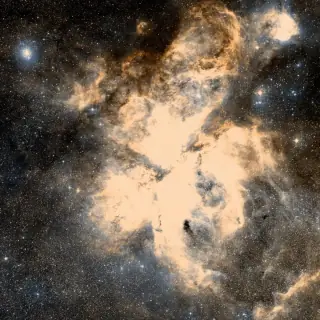
C92 — Carina Nebula
A huge emission nebula in Carina, about 8,500 light-years away, with dark clouds such as the Keyhole cutting across its glow.
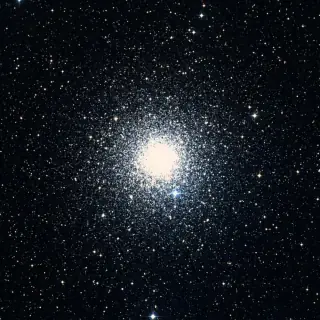
C93
A globular cluster in Pavo, about 13,000 light-years away, ranked the fourth-brightest in the sky.
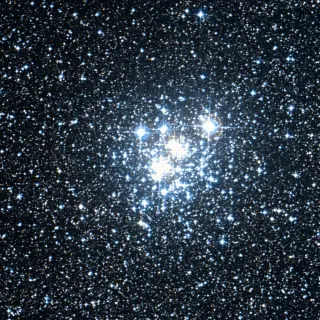
C94 — Jewel Box
An open cluster in Crux of just over 100 stars, placed at roughly 5,000 to 6,500 light-years by different sources.
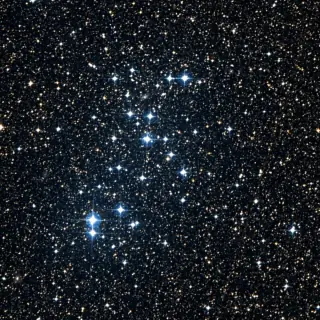
C95
A loose open cluster on the border of Triangulum Australe and Norma, about 2,410 light-years away. Lacaille found it in 1751.
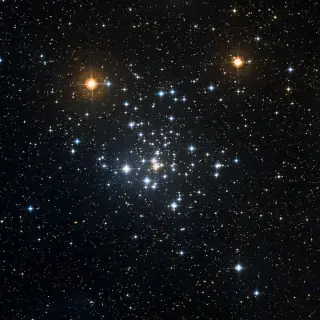
C96
An open cluster in Carina, about 1,300 light-years away, nicknamed the Southern Beehive and the Sprinter.
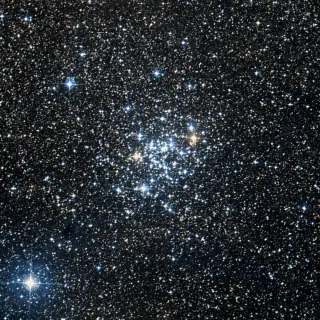
C97
Open cluster NGC 3766 in Centaurus, set in the Carina star-forming cloud and about 5,700 to 6,700 light-years away depending on the measurement. Lacaille logged it in the 1750s.
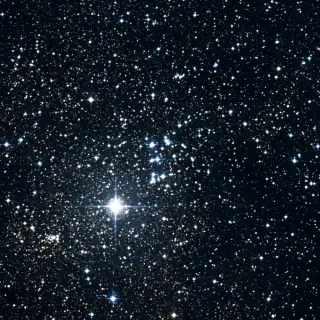
C98
NGC 4609, a sparse open cluster in Crux that sits behind the Coalsack dark cloud, roughly 4,500 light-years away (other pages say 5,000).
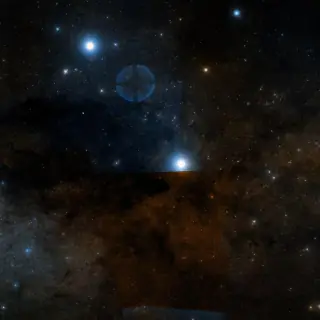
C99 — Coalsack Nebula
The Coalsack, a dark nebula in Crux about 590 light-years away, seen as a dark patch against the southern Milky Way. It is close to Acrux and spans about 7° by 5°.
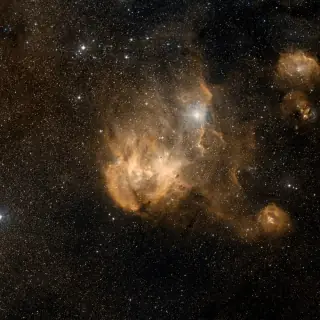
C100
IC 2944, a cluster of young stars lighting a hydrogen cloud in Centaurus, about 6,500 light-years away. A group of stars in it suggested the Running Chicken nickname.
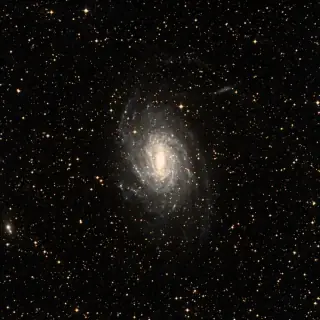
C101
Pavo holds NGC 6744, a weakly barred spiral of intermediate type, measured at about 23.6 million light-years although its redshift suggests farther.
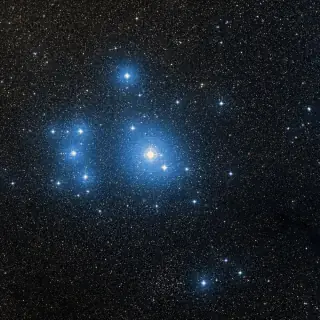
C102
The Southern Pleiades, IC 2602 in Carina, about 486 light-years away and roughly 50′ across.
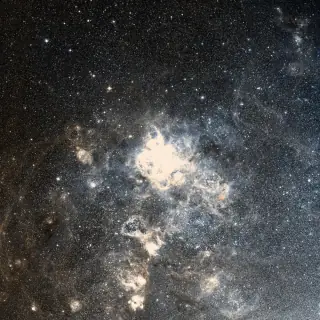
C103 — Tarantula Nebula
The Tarantula Nebula (NGC 2070, also 30 Doradus) is an enormous cloud of glowing gas belonging to the Large Magellanic Cloud, about 160,000 light-years away.
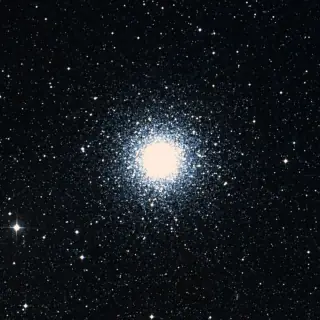
C104
NGC 362 is a globular cluster found in Tucana, roughly 29,000 light-years from us. On the sky the Small Magellanic Cloud lies just south of it, though the two are unrelated.
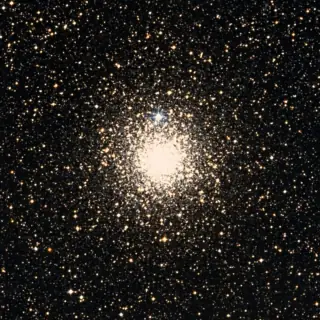
C105
NGC 4833, a globular cluster in Musca about 21,500 light-years away. Lacaille found it in 1751–1752 during his trip to South Africa.
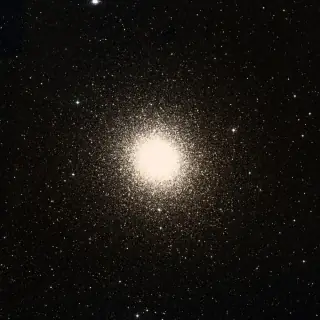
C106 — 47 Tucanae
Catalogued as NGC 104, 47 Tucanae is a globular cluster in Tucana, roughly 14,500 light-years away and about 120 light-years wide. Only Omega Centauri outshines it among globulars.
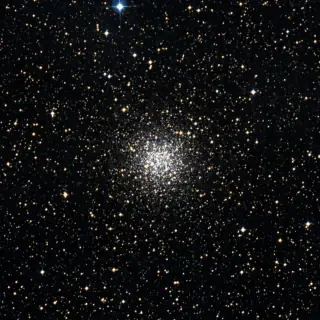
C107
NGC 6101 is a faint globular cluster in Apus, around 47,600 light-years distant and far out from the galactic centre. James Dunlop discovered it.
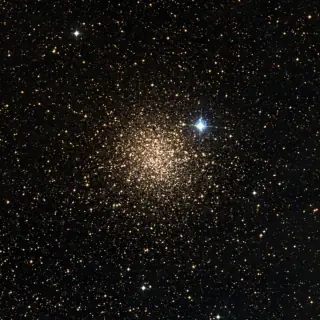
C108
NGC 4372, an old globular cluster in Musca about 18,900 light-years away.
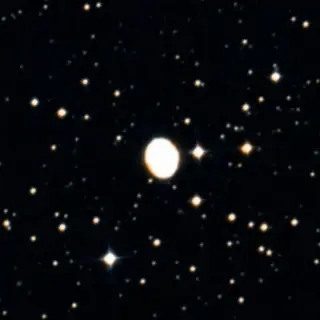
C109
NGC 3195, a planetary nebula in Chamaeleon, a shell of gas shed by a dying star, roughly 5,500 to 6,400 light-years away depending on the estimate. John Herschel found it in 1835.