La Silla
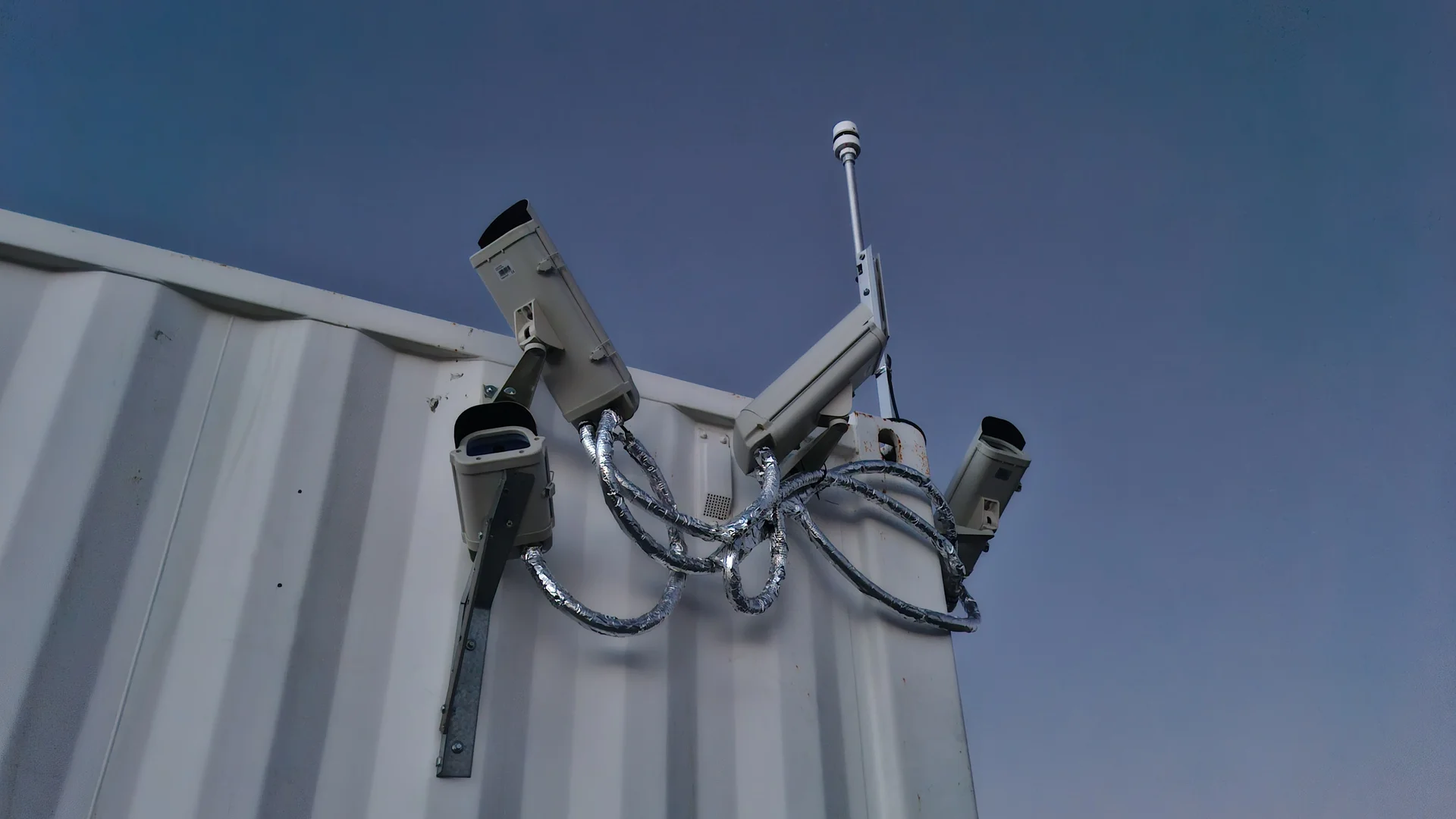
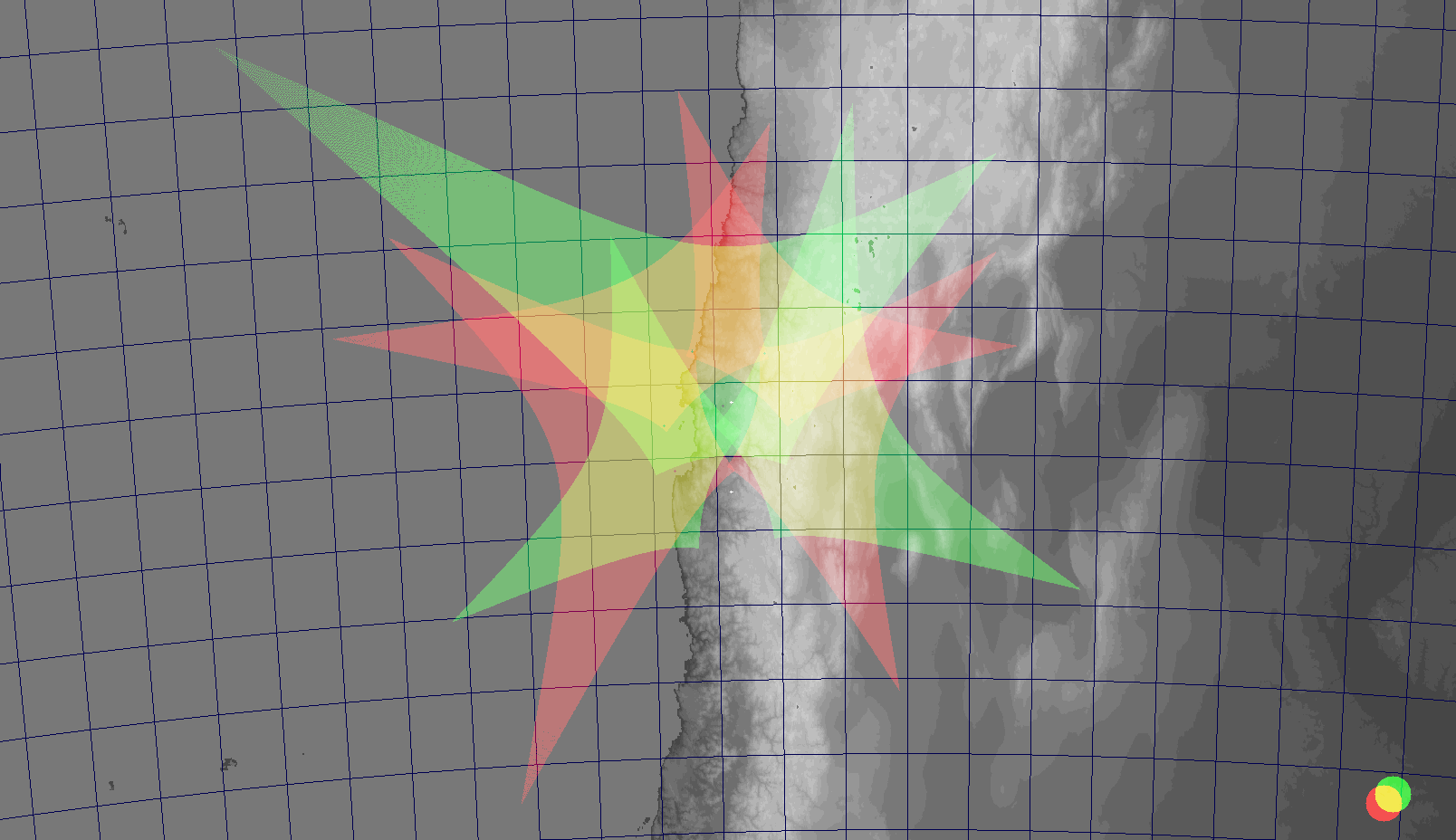
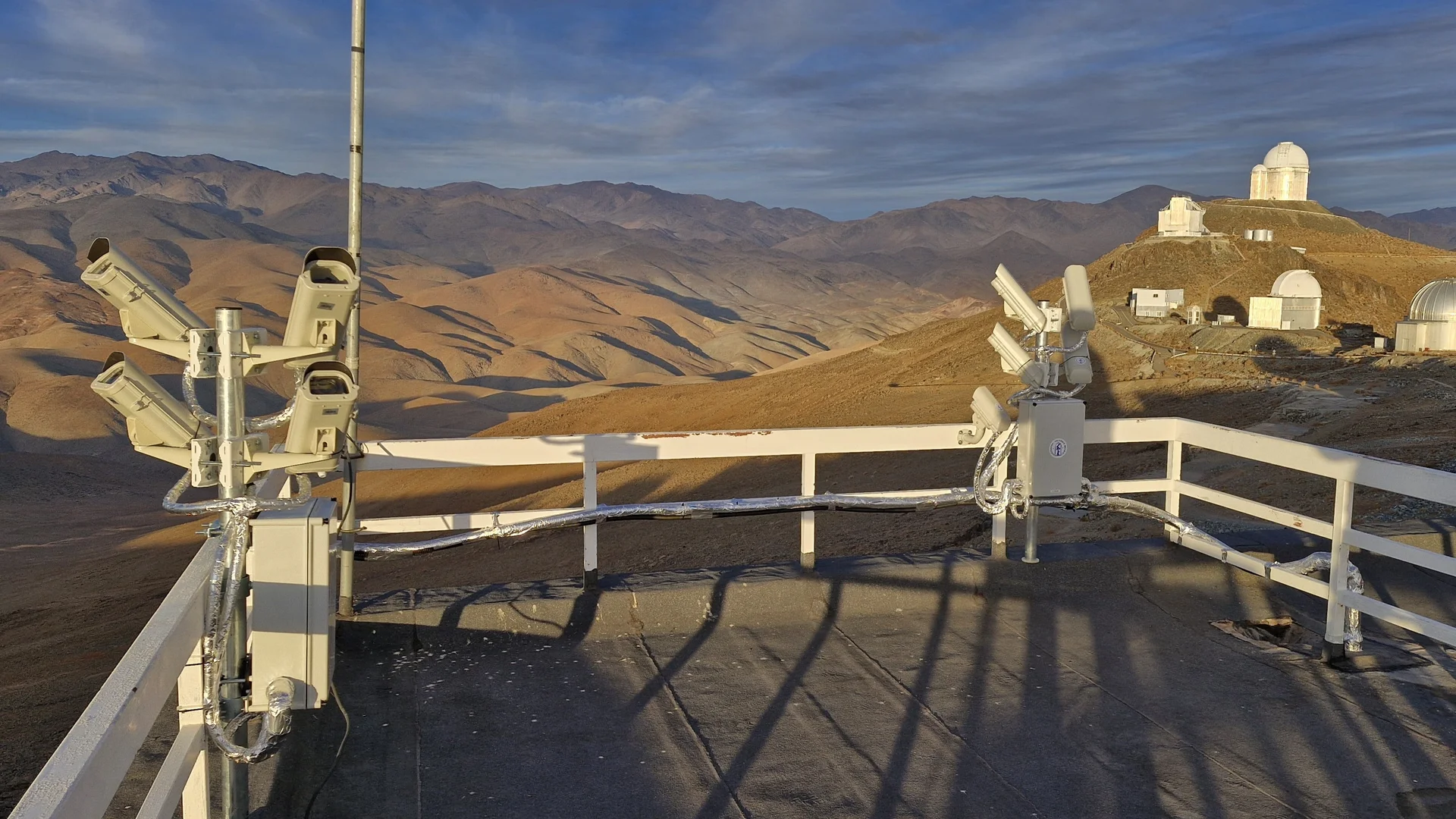
La Silla Observatory is a major astronomical observation complex operated by the European Southern Observatory (ESO), in operation since 1969. It is located in the Atacama Desert in northern Chile, at an altitude of approximately 2,400 meters above sea level. Thanks to its exceptionally dry climate, clear skies, and minimal light pollution, it is one of the best places in the world for astronomical observations. The complex consists of several telescopes, including the 3.6-meter ESO telescope, the New Technology Telescope (NTT), and smaller instruments used by international teams. La Silla has played a key role in the discovery of exoplanets, the study of stellar populations, and the research of distant galaxies, and remains an important center of world astronomy. The station at the La Silla Observatory (E152 telescope) currently has five wide-field survey systems and four high-resolution spectrographs. Four wide-field systems are equipped with analog FHD cameras with Sony Starvis IMX327 chips (resolution 1920 × 1080 px) oriented southeast, southwest, northeast, and northwest; one GMN network camera with a Sony Starvis IMX 291 LQR chip in IP design (resolution 1280 × 720 px) is oriented northeast. Four spectrographs with monochrome CMOS QHY5III 678M cameras (3856 × 2180 px), with an actual recorded meteor spectrum (first order) resolution averaging 0.35 nm/px, are oriented similarly to the survey cameras: southeast, southwest, northeast, and northwest.