
M79
Globular Cluster in Lepus
About
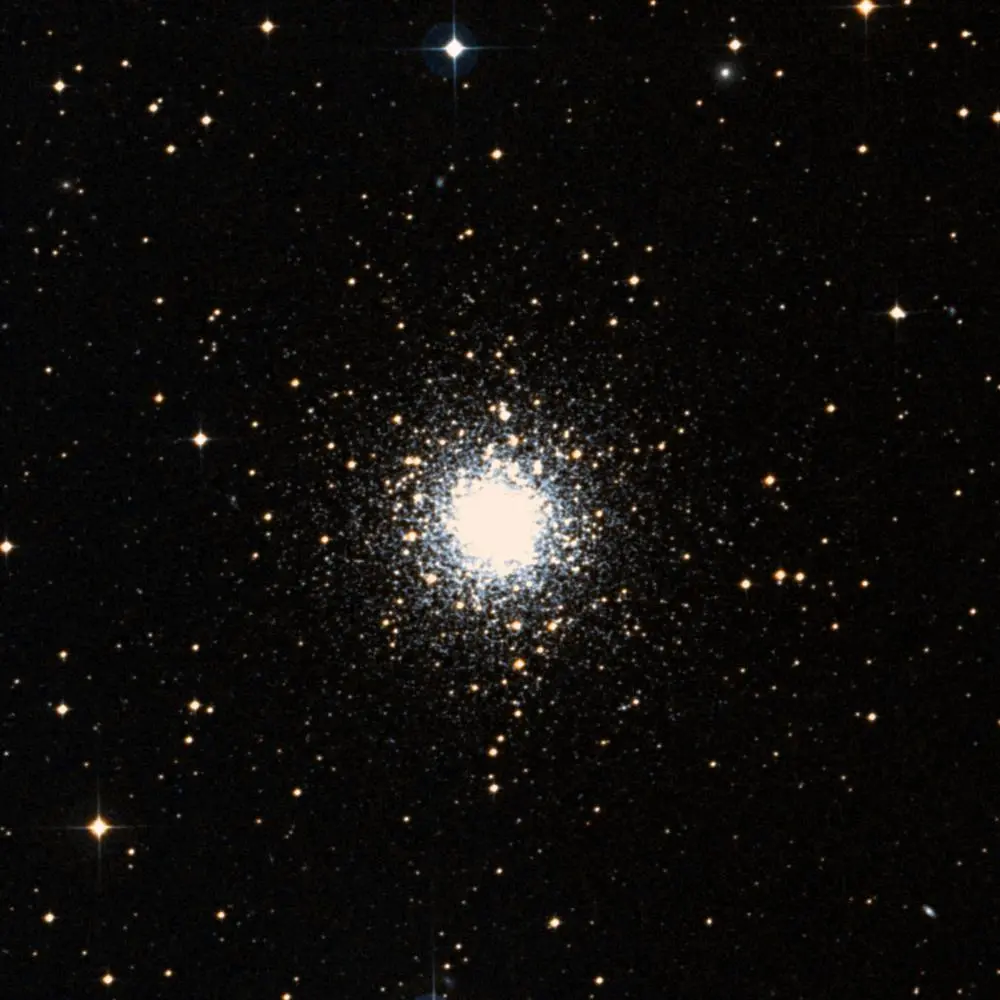
NGC 1904, a globular cluster in Lepus about 42,000 light-years away, found by Pierre Méchain in 1780. It is thought to have come from the Canis Major dwarf galaxy rather than the Milky Way, though that is contested, and most of its bright stars are red giants.
Imaging tips
- About 9′ across, so 2,690–4,490 mm on APS-C; it is too small for full frame to fill.
- One imager got a good result from 3.8 hours of 60-second subs at f/2 with a one-shot colour camera and no filter, and suggests 30–60 seconds for globular clusters.
- The cluster looks small in the frame, so expect to crop; faint integrated flux nebulosity showed at the edge of that frame.
- Low from northern sites: it stays below 16° altitude from 50°N. Best around November and December.
Facts
- Size
- 9′
- Magnitude
- 7.7
- Coordinates
- RA 5h 24.2m, Dec −24° 31′
- Framing, APS-C
- 2690–4490 mm
- Framing, full frame
- longer than 4000 mm
- Best months
- Nov, Dec
- Peak altitude
- 16° from 50°N, 31° from 35°N